Search This Blog

Monday, May 7, 2012

Update on the Garlic, Soft neck and hardneck

There are two primary types of garlic. Hard neck, and soft neck. The hard neck types usually have larger cloves, but fewer cloves in each bulb with a stronger flavor. The soft neck types can have a huge cluster of smaller cloves depending on the species, and it is the type they usually sell at stores since they store longer than hardnecks, but they generally have less spice than the hardnecks. I either buy them from bulbils which are kind of like seeds which take another year to reach full size, or I buy the cloves which cost more, but produce full sized bulbs when they are planted in the fall. The thing I love about garlic is that they really take no effort to grow as all I need to do is drop the cloves in the ground during the fall, and harvest them the following summer.

I grow both kinds and many species of them.

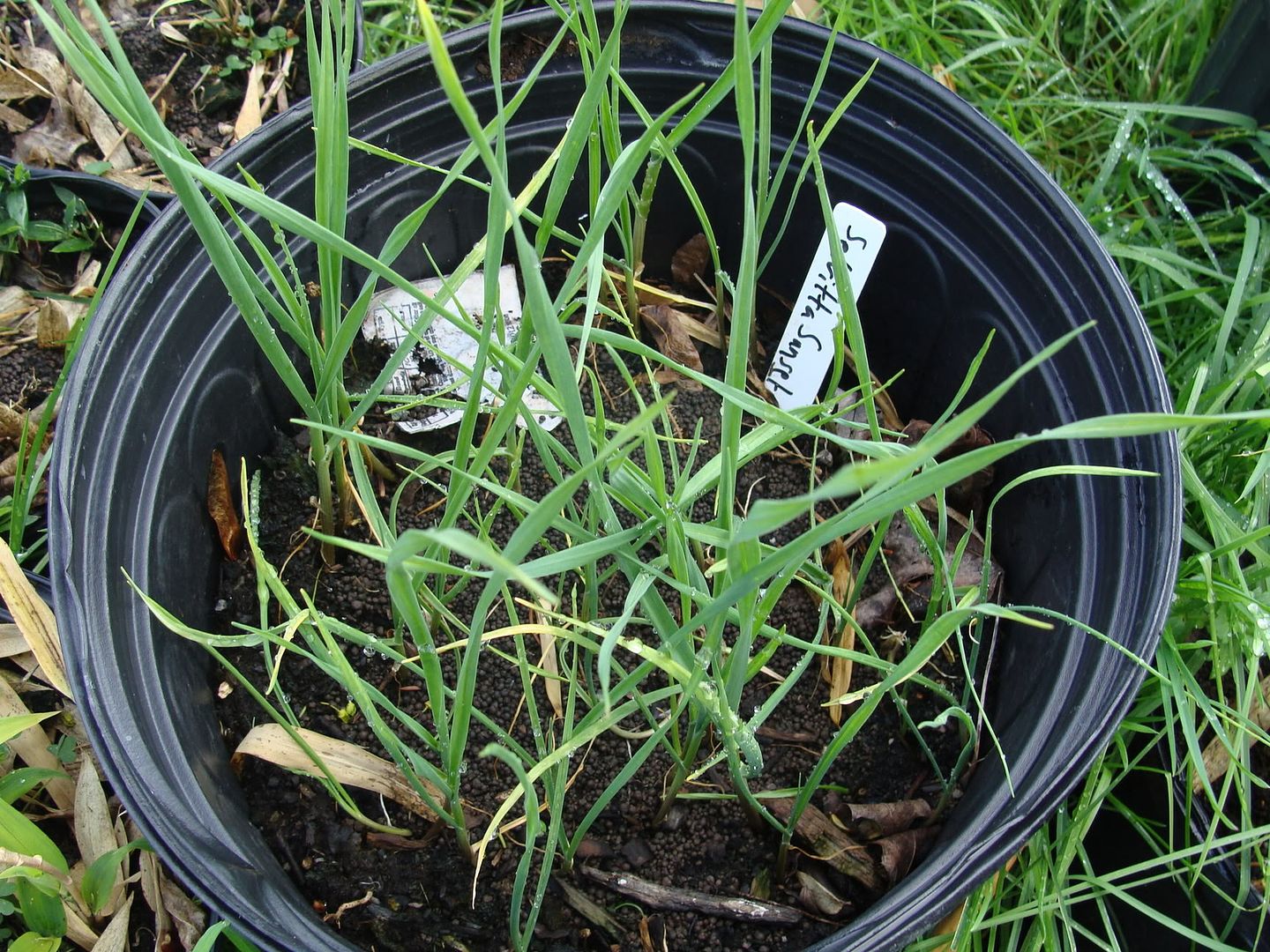
Starting with the hardnecks, here's Selvitta sunset started from bulbils

Saturday, May 5, 2012

Dividing pachira aquatica money tree from cuttings

Last year, I succeeded in dividing one of my money trees into a few large 1ft long sections. All the divisions seemed to thrive and rooted out with ease. This was done in partial shade, but I'm trying them in full sun this time around since it might get them more growth this year.

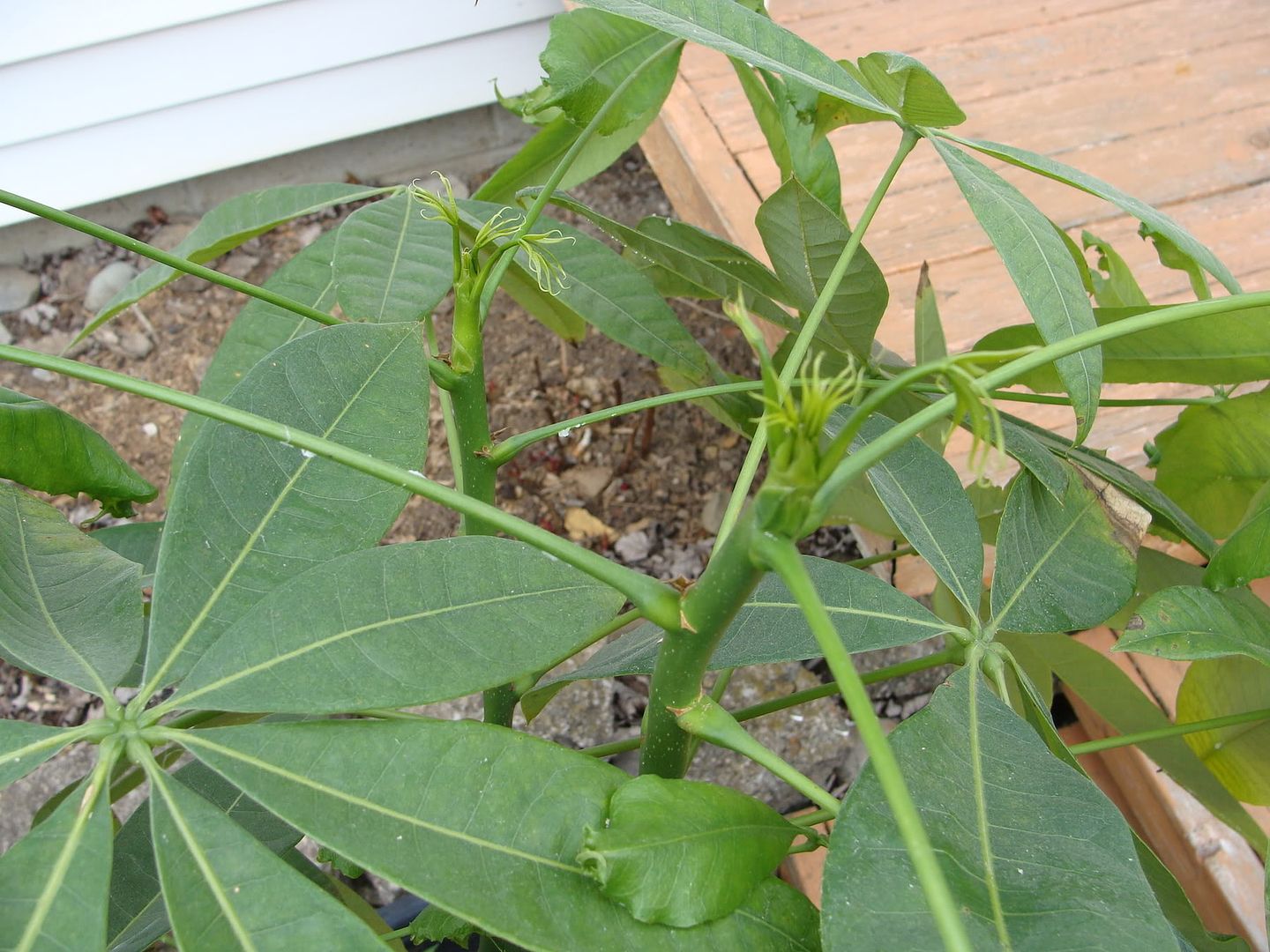
I had two 5 gallon sized trees which I took outside by the beginning of March. I've found that they can handle a few degrees below freezing without leaf burn, but took them back indoors every time it got below 30F. The goal was to get them accustomed to outdoor conditions so they are ready to propagate. Here's how one of them looked.

Bamboo removal made easy

Since bamboos are one of the plants I collect, I did have collected many types and I have also gotten rid of many types of bamboo as well. There are basically 2 ways to get rid of bamboo. 1)Cut all the culms down to the ground with a lopper or chainsaw and keep repeating until the grove runs out of energy or shoot buds. 2) Dig it all out, and check for missed pieces.

The reason why I am writing this blog is because sometimes people have problems with certain types of bamboos. Some species of bamboo can become invasive if they are grown in the right climate/ conditions or if the owner of the property doesn't understand or care about it. A lot of people don't know how to properly control, or get rid of bamboo which can cause problems for neighbors. If you have an understanding of how bamboos grow, it can actually be very easy to get rid of.

Method 1:
This method only requires a lopper and maybe a lawnmower if feasible. Most loppers cut up to 2 inches in diameter, but if the culms are bigger, an electric chainsaw will be sufficient. This method is preferable if the bamboo you want to remove covers a lot of ground ie several acres. 

1. First It is best to wait until spring when new shoots start rising and get to 2-6 feet tall. This means that many buds have activated, and the bamboo is expending its energy. 

2. When the new shoots are several feet tall, it is now time to cut down all over the existing culms to soil level in order to remove all of the plant's source of photosynthesis, but the new shoots should be left alone to continue draining the energy from the grove. 

3. Once the new shoots reach their full height and they are branched out, but before they start leafing out, it is time to cut all these new shoots down to soil level when the energy of the grove is almost completely depleted. 

4. With the remaining energy left in the grove, the bamboo may still have the ability to generate very small survival culms. The best thing is to wait for them to finish their growth and repeat the process over by cutting them to soil level right before leaves are about to form. Regrowth can happen 3-4 times, but the size and number of them should decrease each time as the number of viable shoot buds are reduced, and the energy dwindles. If it is an open area, planting grass seeds, and keeping the area mowed will be sufficient.

 The idea is to starve the bamboo of all its starches stored in the rhizome system and herbicides are generally ineffective.There is no need to remove the rhizomes as they will die and rot away without a source of energy for several months, and there is no need to pay thousands of dollars to remove bamboo with heavy machinery when you can do it by yourself with simple tools such as loppers and chainsaws.


Method 2:
This method is only feasible when there's is not that much bamboo, and it can all be dug up in a few hours, and the benefit is that the bamboo can be removed all on the same day as long as every rhizome is taken out.

1. The first step is to wait until after a nice rain when the soil is easy to dig through.

2. Cut all the culms down to soil level so they are out of the way.

3. Dig out every piece of rhizome starting from the perimeter inwards. Most bamboos only grow near the top of the soil. This can be done with a sharp shovel, a pick and loppers. The inside of the grove is harder to dig out as some species can form a solid root mass if culms were growing very closely.

4. Wait about a month and check to see if there are any sprouts. It's very possible to miss a few pieces which can easily be detected when they start shooting.

Here are a few pictures to show some results on some of the bamboos that I have removed.
Phyllostachys Aureosulcata (yellow groove)

Before:
Friday, May 4, 2012

Sempervivums hens and chicks waking up

Last spring, I added many sempervivum cuttings to my collection. Only a few of them produced their own offsets, but this year, it looks like every species may start producing them. They usually start growing by around April, and now they are almost full size. This year, the new ones are about twice the size they were last year so there's a good chance that some of flowering.

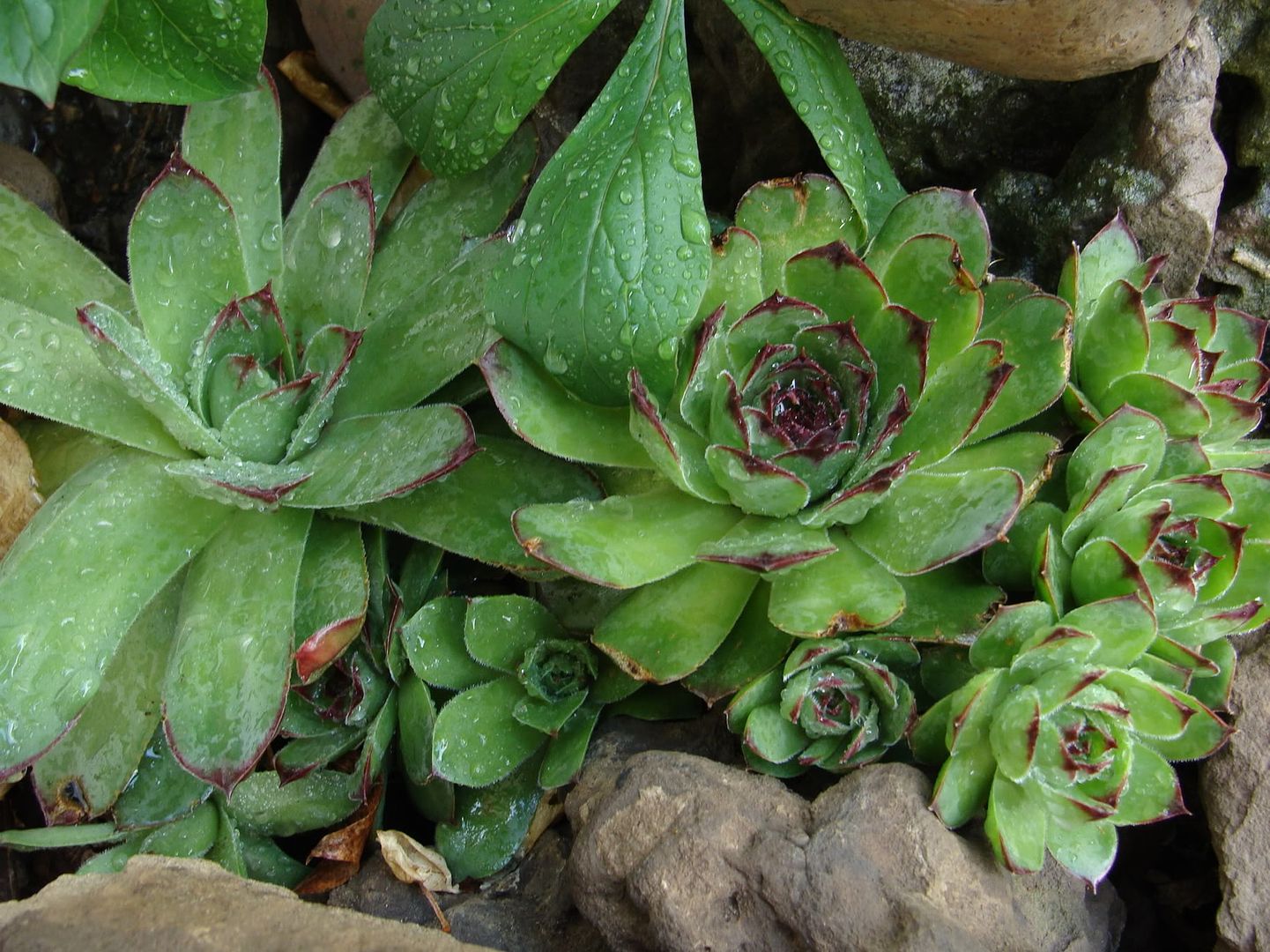
Here's the original giant sempervivum that can get 9 inches in diameter when there is enough growing room, and partial shade.

Monday, April 30, 2012

Adding Water absorption crystals to the soil in potted plants and areas that dry out

Last summer, I ran into the problem with some of my potted plants which seemed to dry out way to fast under full sun, especially the ones that have well established plants. It seems like the soil looses it's capacity to hold any water when the roots take over the pot so one of my solutions to lessen the problem is mixing in water absorption crystals to the soil.

These crystals can carry 400 times their own weight in water, and they are supposed to last for multiple seasons, and they are supposed to be soaked in water before they are put into the pots to work best.

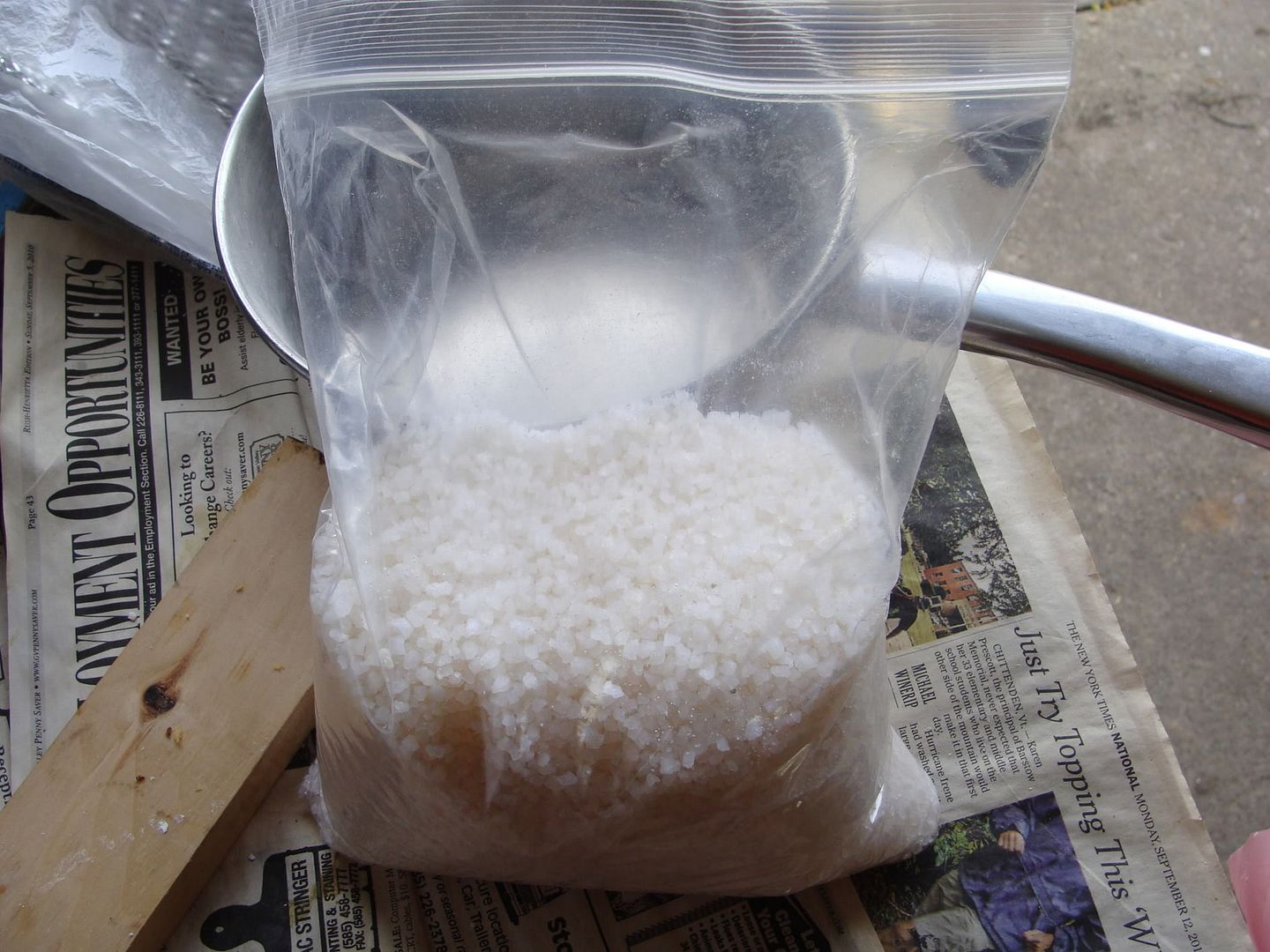
Here's the bags that they come in. I puchased 5lbs of this stuff so it should have the capacity to hold 2000lbs of water which should last me a while.

Monday, April 2, 2012

Receiving my new Bartzella double yellow intersectional itoh peony

As you can tell by my other blogs, I really like peonies and decided to get one of the most common types of itoh peonies which is a hybrid between a tree peony and a herbaceous peony. Some of them are supposed to die back all the way to the ground while others will develop hard stems like this one as they can have characteristics of both types. The one constant is that the foliage looks more similar to that of a tree peony.

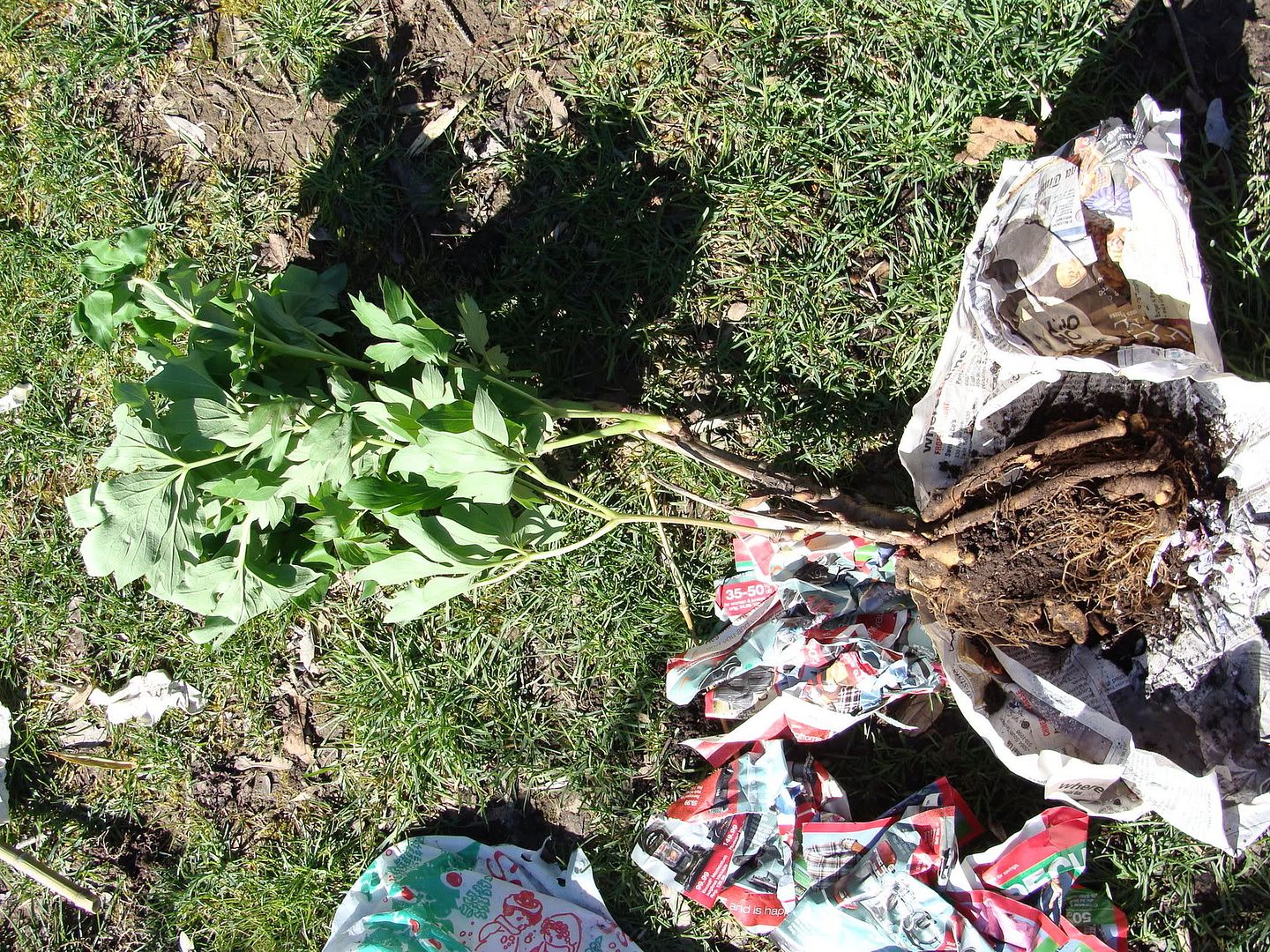
Here it is all leafed out since it came from Tennessee. 

Update on the garlic

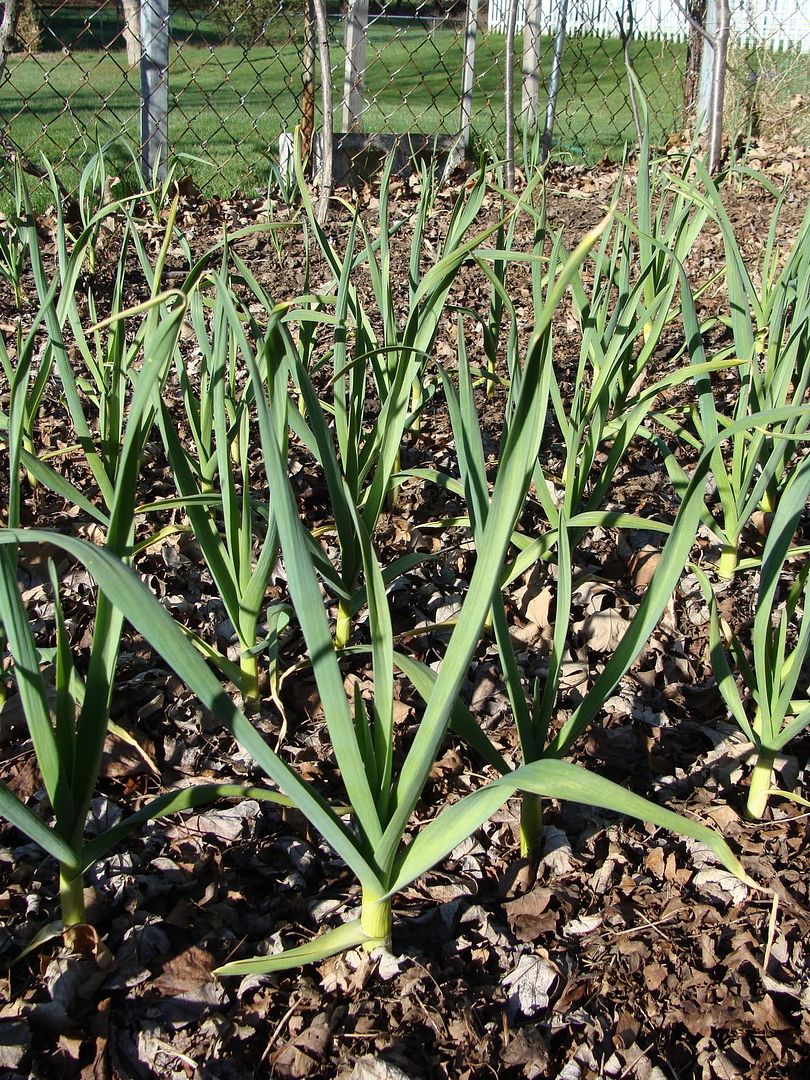
I have planted around 2000 garlic gloves last winter and not surprisingly, most of them are coming up now. I have around a dozen species, all in separate beds of both hard neck and soft neck species. I don't care much about the names since the foliage on them is very hard to distinguish, but I'll know they are different when I harvest them. One of the things I am noticing is that the ones planted earlier in october are just a little bit further along than the ones planted as late as December, but they seem to be catching up so planting times don't seem to be that big of a deal.

Here's my original species of softneck garlic which produces average sized cloves with a pretty decent flavor, but doesn't have a very long shelf life.