I tried purchasing musa mekong giant last year however they never made it through the winter when I tried planting them outside. The appeared to still be alive by the spring time however too much moisture in the spring must have killed them out so I ended up ordering a couple more of them from eBay this spring. Here's the links to when I tried them last fall.
http://stevespeonygarden.blogspot.com/2011/10/new-banana-plants-musa-mekong-giant.html
http://stevespeonygarden.blogspot.com/2011/10/fall-update-on-banana-plants-2.html
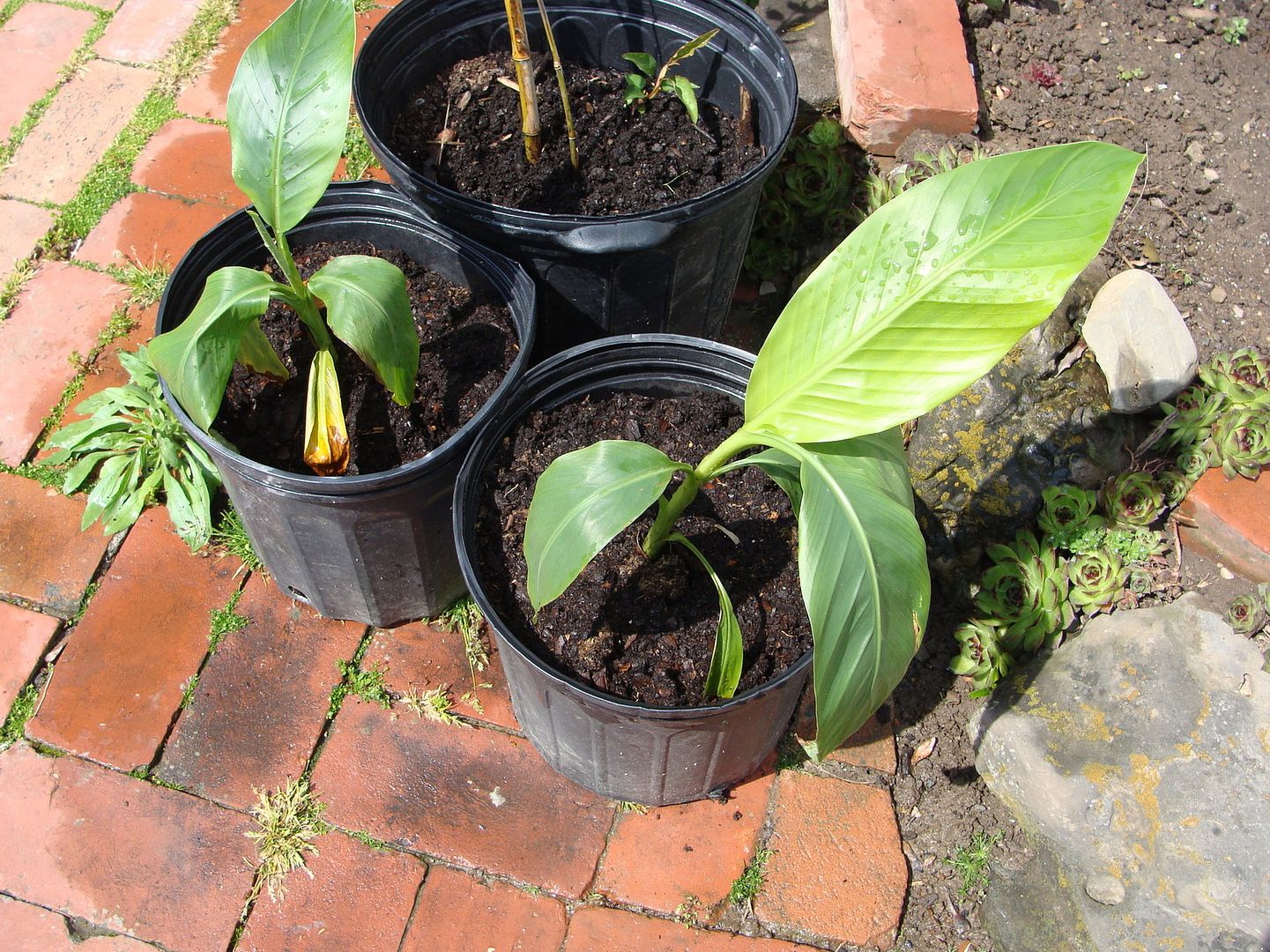
I bought them as tiny plants in 2 inch pots some time in April of this year to replace the ones I lost last fall.
3 May 2012
Plant 1 on the right, and plant 2 on the left.
Search This Blog
Thursday, October 11, 2012
Progress of the musa mekong giant "itinerans"
Labels:
botany,
cold hardy banana plant,
foliage,
greenery,
growth progress,
huge leaves,
musa itinerans,
nature,
new leaf,
over time,
overwintering,
planting,
rhizomes,
running banana,
time lapse,
tropical northern climate
Thursday, October 4, 2012
Growth of the Musa basjoo throughout 2012
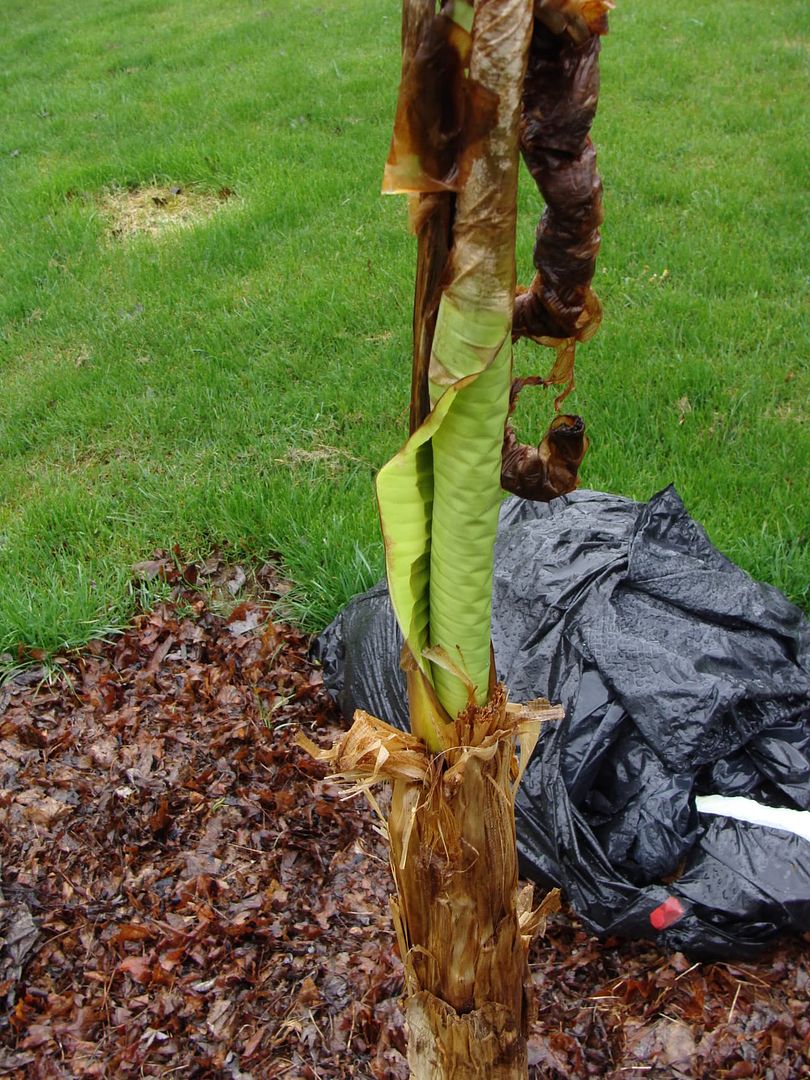
My musa basjoos were successfully over-wintered to about 2ft last year, and they ended up close to 14ft at the peak, but frost is imminent within the next few weeks so they will be going dormant pretty soon. Here's the documentation of the growth all throughout the year.
21 April 2012: I successfully protected them up to around 2ft, and they are already getting up to 4ft within a week.
Left plant
21 April 2012: I successfully protected them up to around 2ft, and they are already getting up to 4ft within a week.
Left plant
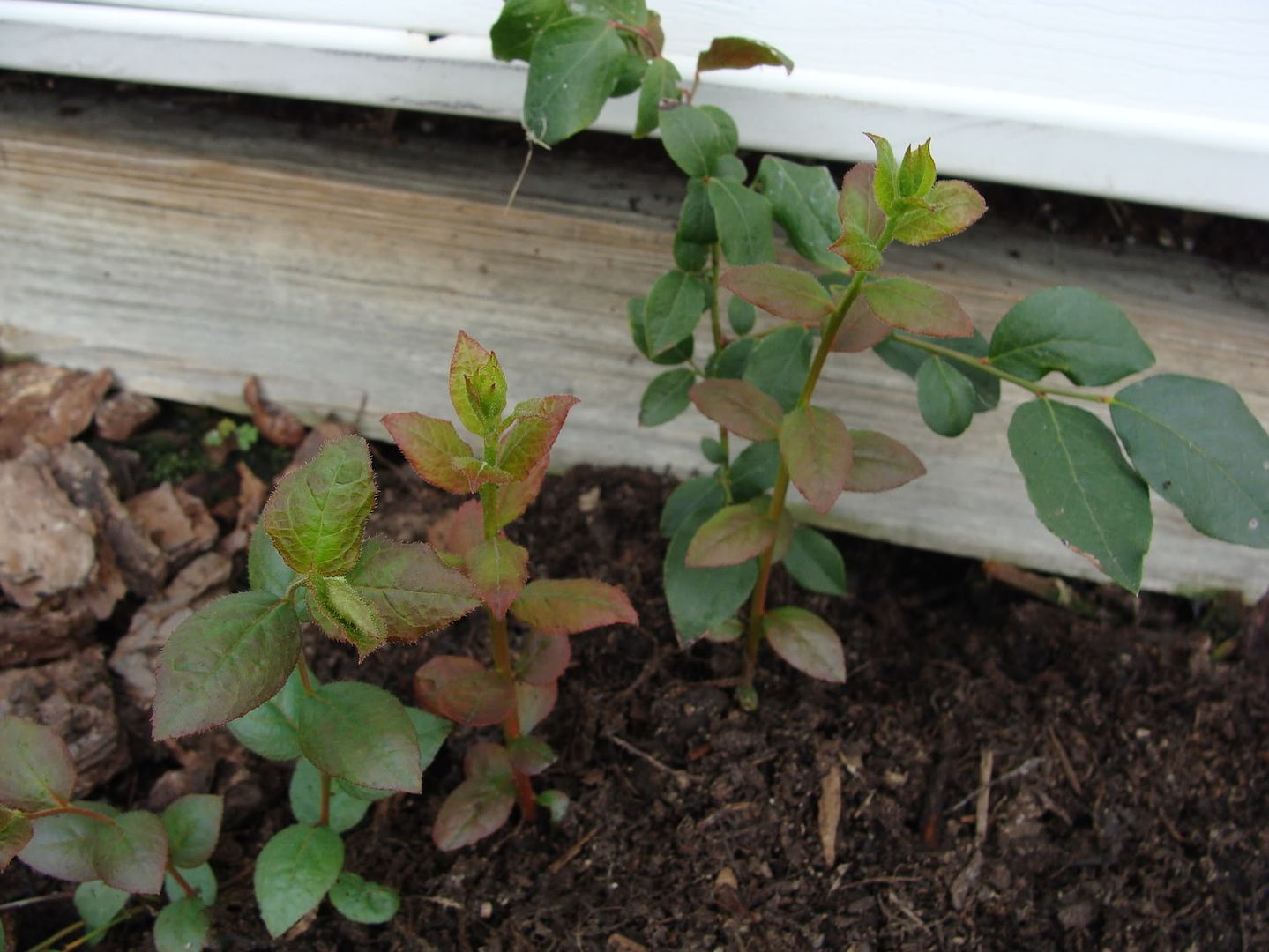
Blueberry shooting season
Blueberry plants are shrubs which mean they will sprout new shoots from their base. These new shoots can eventually be divided off to become new divisions, or left to grow. This ensures the survival of the plant. Shooting typically starts in the late summer, and continues until it is no longer warm enough to grow.
Here are a few pictures showing how this looks.
Sunday, September 30, 2012
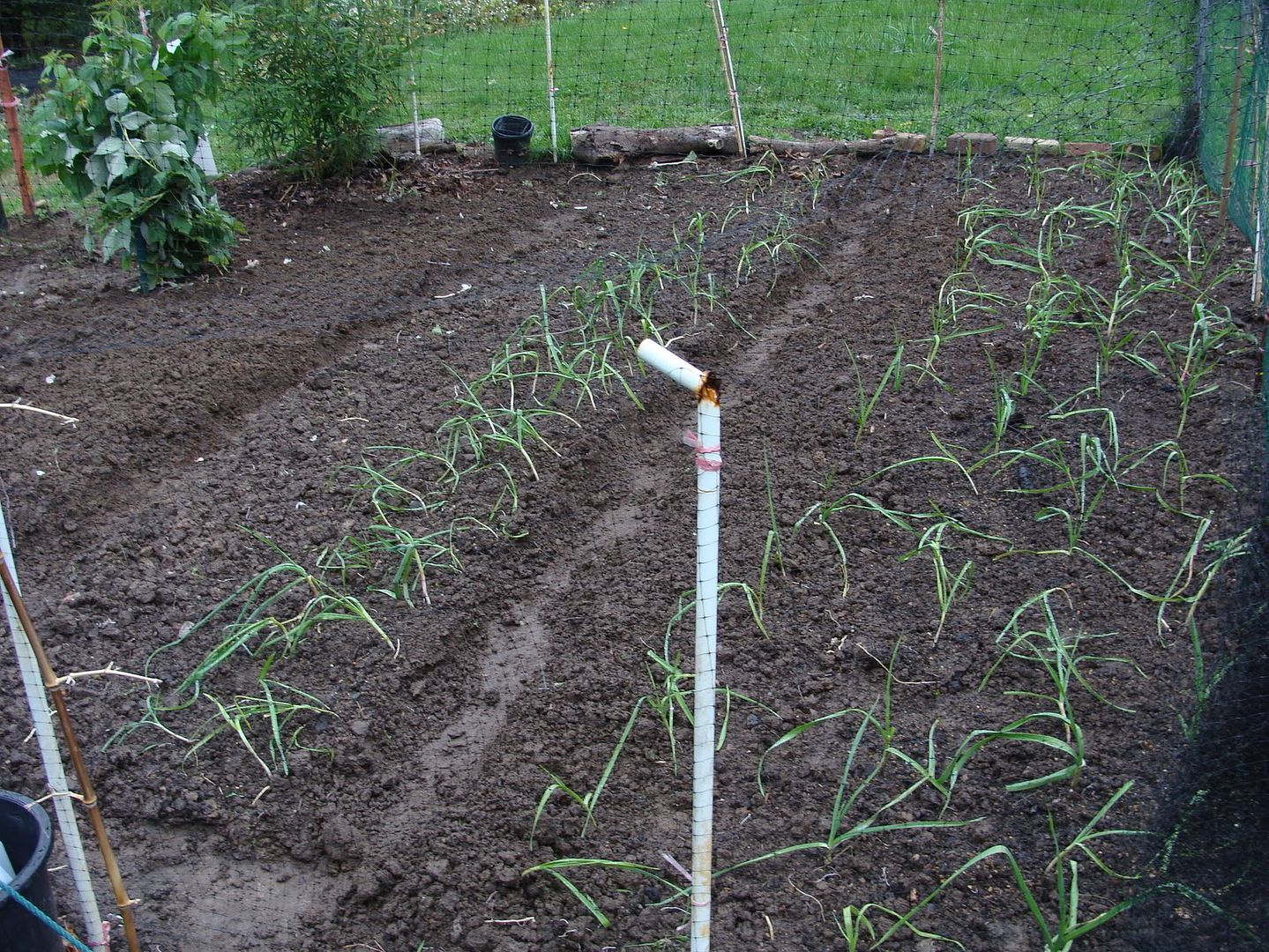
Some of my garlic emerging in the fall
It is around the time to plant garlic so I ended up putting them in rows, about 10 inches apart, while their individual distance is usually about 6 inches just to ensure they get nice and big. I tilled up the soil, and made separate beds so the cloves can dig their roots into the ground further which will result in larger bulbs next summer since they can take in more nutrients.
Here's one of my beds for soft neck garlic with last year's bulbils, and new cloves that haven't emerged yet.
Labels:
allium,
bulbs,
dormancy,
easy to grow,
edible,
fall planting,
foliage,
gardening,
garlic,
healthy,
herbs,
large cloves,
medicinal plant,
new growth,
raised mounds beds,
sprouting,
vernalization
Sunday, September 23, 2012
Growing angled luffa (loofah) gourds from seed
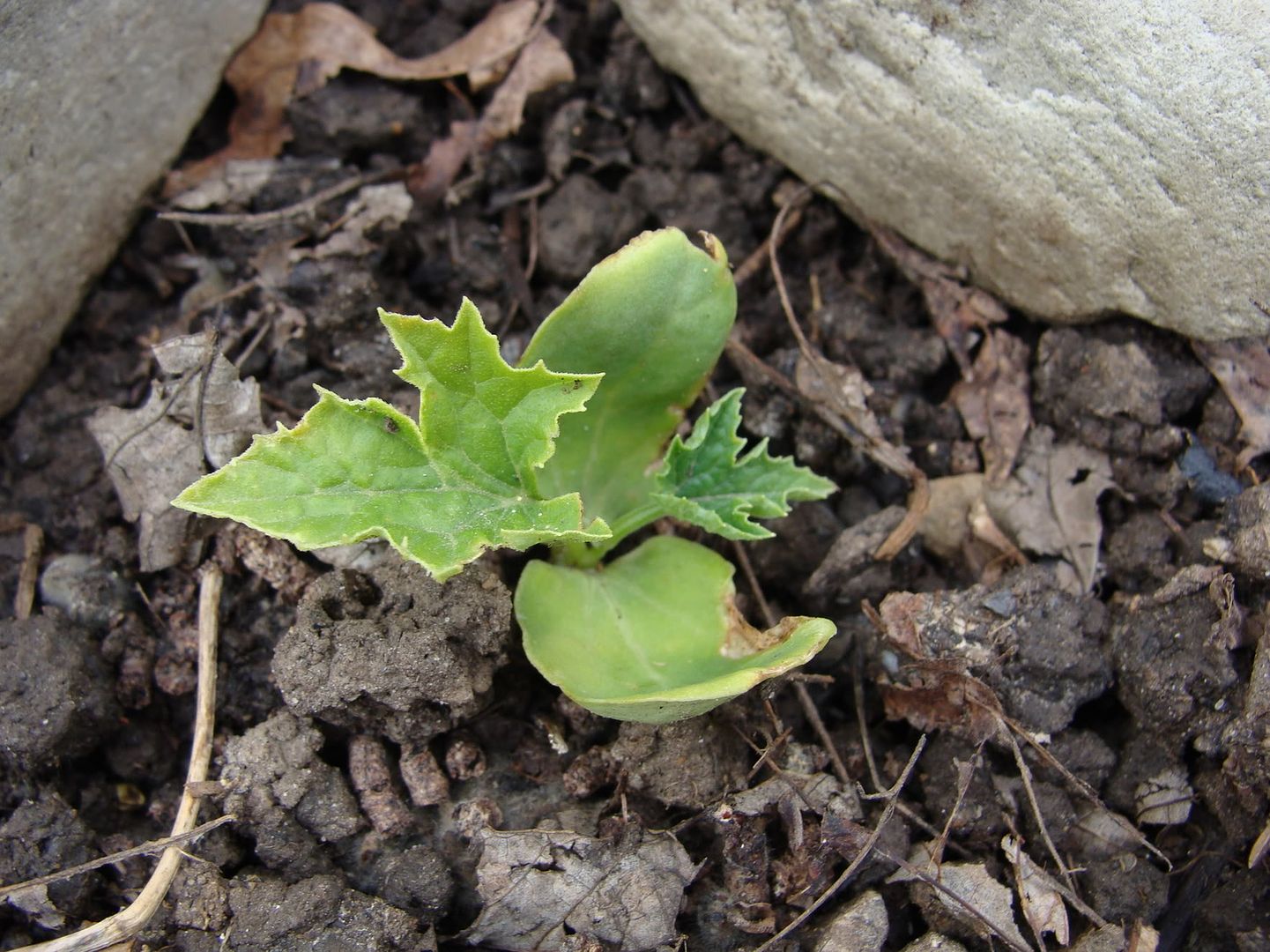
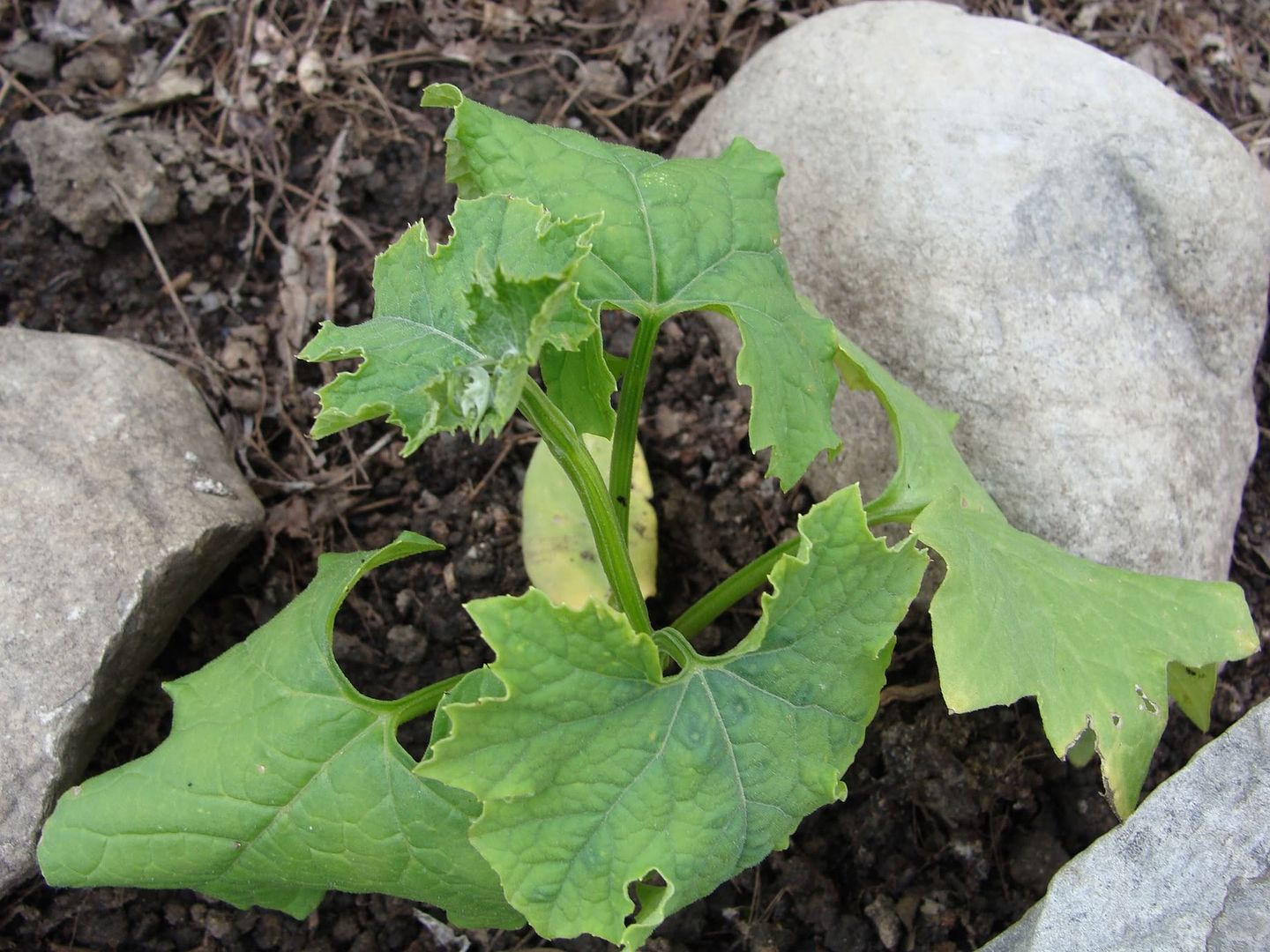
By around late May of this spring, I planted a few luffa (chinese okra) seeds in the ground, and eventually only 2 of them survived until maturity, but here's a complete picture documentation of the 4 months of progress since they were planted. I may have been able to get harvests faster if I started them indoors under a strong metal halide, but that's OK because I'm still able to get over 100 fruits per plant. The key to getting heavy yields is tons of water, lots of space for crawling, and good fertilizer. I fertilizer with manure, compost, and azomite. These plants produce lots of vines and take up a lot of space.
9 June 2012: Just barely coming out
Labels:
asian gardening,
chinese okra,
creeping,
flowers,
growth,
hanging gourds,
leaves,
loofah,
luffa,
production,
progress,
stems,
stir fry,
summer garden,
time lapse,
trellis,
vegetables,
vines
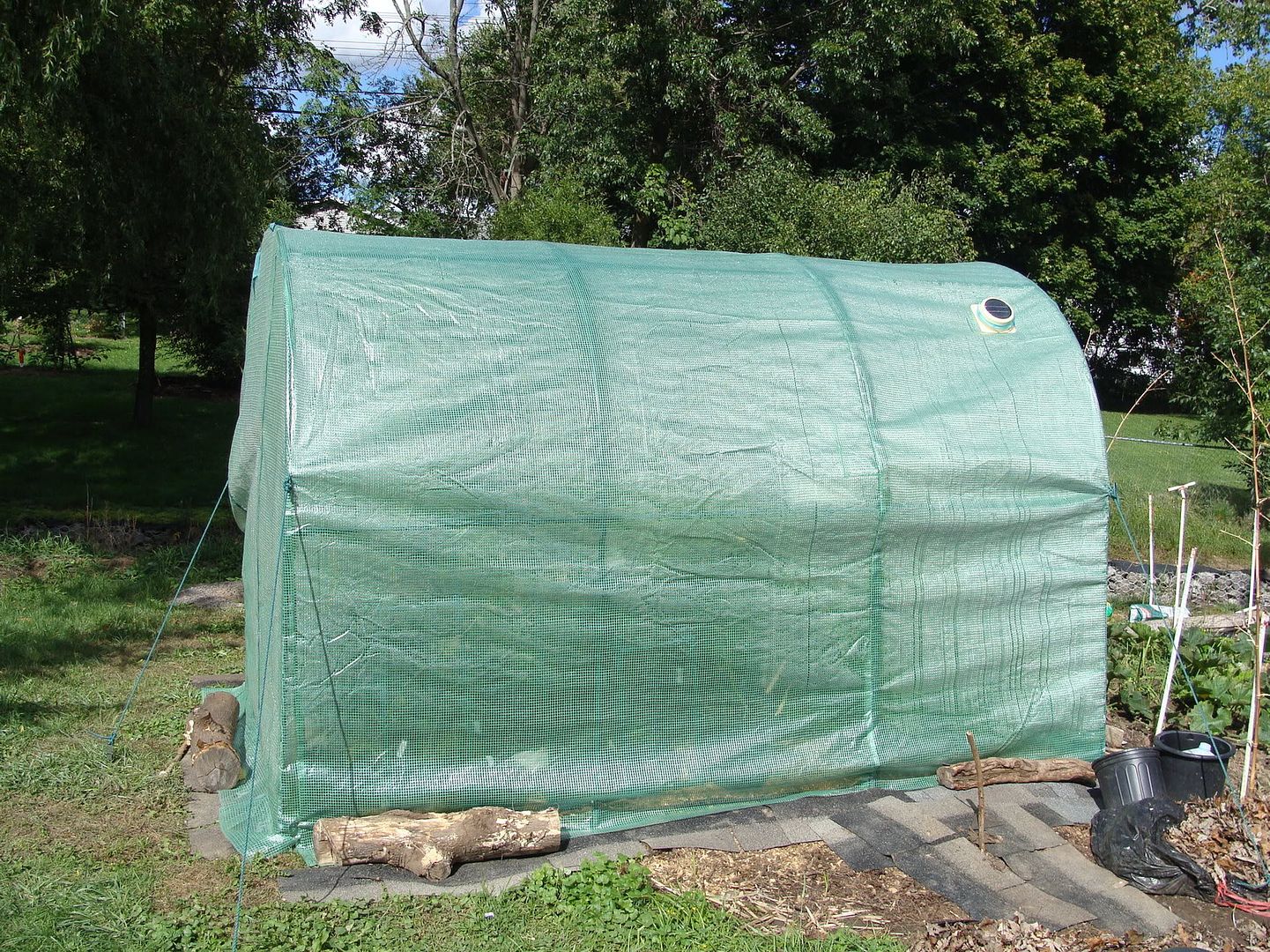
Setting up the Solar greenhouse
One of the fall projects I have worked on is creating a completely solar greenhouse. I built this right over my moso bicolor so I can protect it as well as speed up its growth. I'm also using it to place some of my bamboos so they can grow a bit more through the winter. My objective is to insulate it well enough so that additional heating will not be necessary here in zone 6a. At this time of the year, the greenhouse typically raised the greenhouse about 5-20F, but those numbers typically increase in the middle of the winter.
Here's the outside of it.
Sunday, September 9, 2012
Peonies going dormant for the winter 2012
By late summer or fall, most of the peonies have already stored as much energy as they can for the year and go dormant. This means that their leaves will change colors, fall off, and the tuberous roots will likely shed their feeder roots as they go to sleep. Another way to tell is when the buds for next year really start swelling up in preparation to sprout by next spring. Tree and itoh peonies should have completely woody stems by this point.
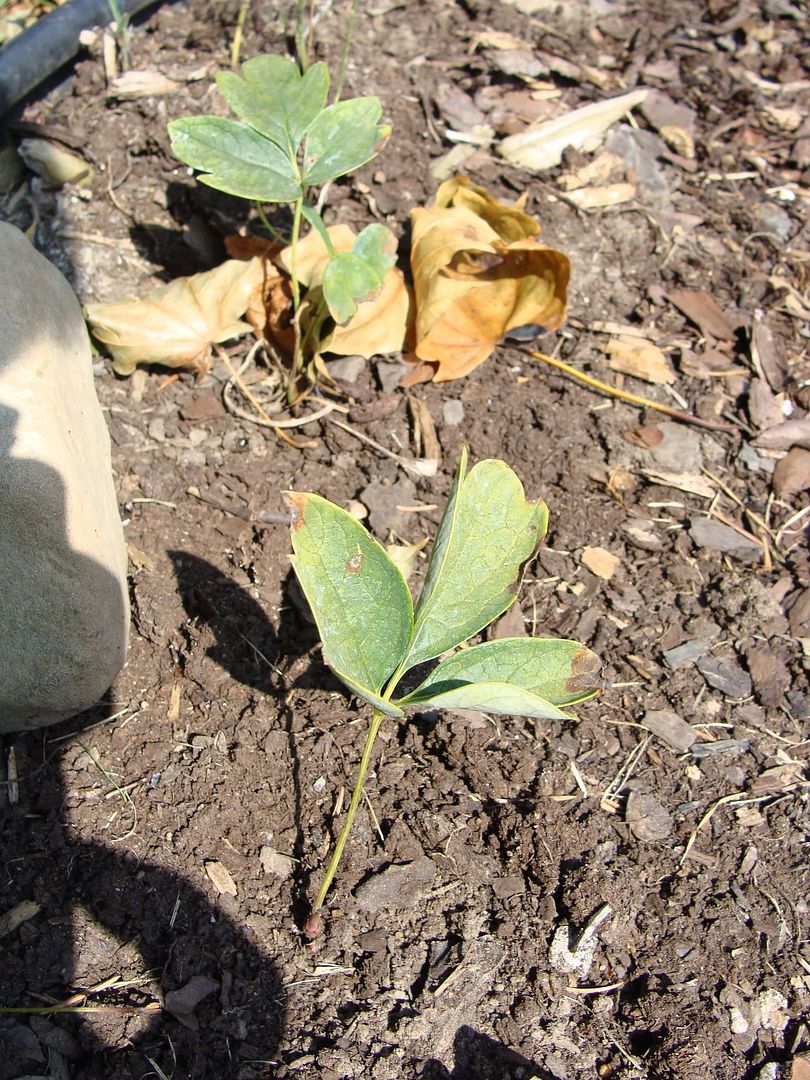
Here are some of the seedlings
Most of them will produce more than 1 bud as a 1st year seedling, even if they are weaker ones which only have 1 leaf.
Here are some of the seedlings
Most of them will produce more than 1 bud as a 1st year seedling, even if they are weaker ones which only have 1 leaf.
Subscribe to:
Posts (Atom)