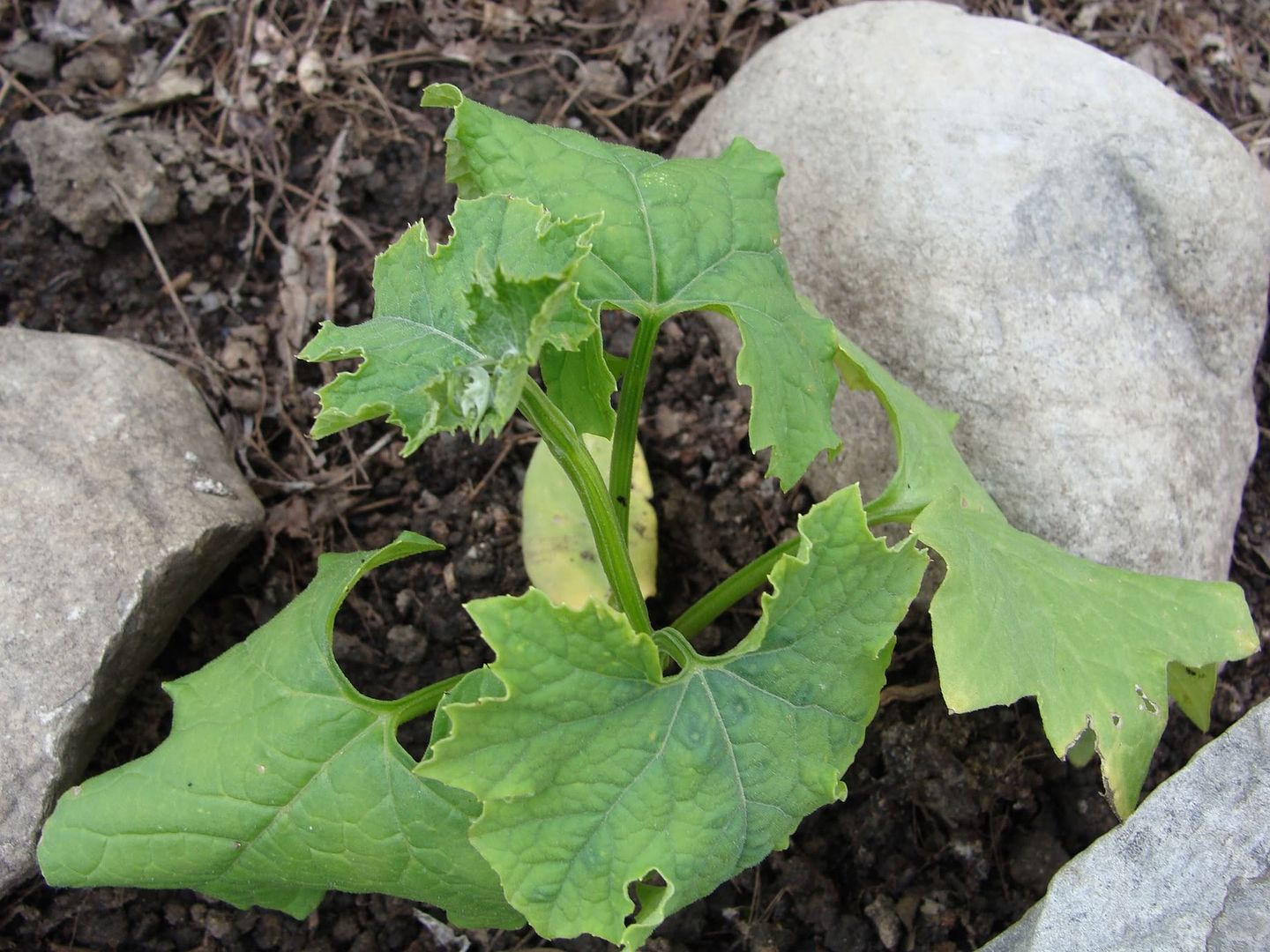
Fuzzy gourds/wintermelons: The fuzzy gourds tend to be longer, and wintermelons are more round, but both taste about the same. Fuzzy gourds are better adapted to grow on trellises while the wintermelons are better grown on the ground because they are really good at growing roots off their stems, especially when soil is mounded over them.
Search This Blog
Showing posts with label growth. Show all posts
Sunday, August 10, 2014
Mid summer fruiting vegetables
Here are some of my climbing vegetables producing fruits, most which can be harvested any time.
Fuzzy gourds/wintermelons: The fuzzy gourds tend to be longer, and wintermelons are more round, but both taste about the same. Fuzzy gourds are better adapted to grow on trellises while the wintermelons are better grown on the ground because they are really good at growing roots off their stems, especially when soil is mounded over them.
Monday, February 18, 2013
Some tree peonies waking up very early in 2013
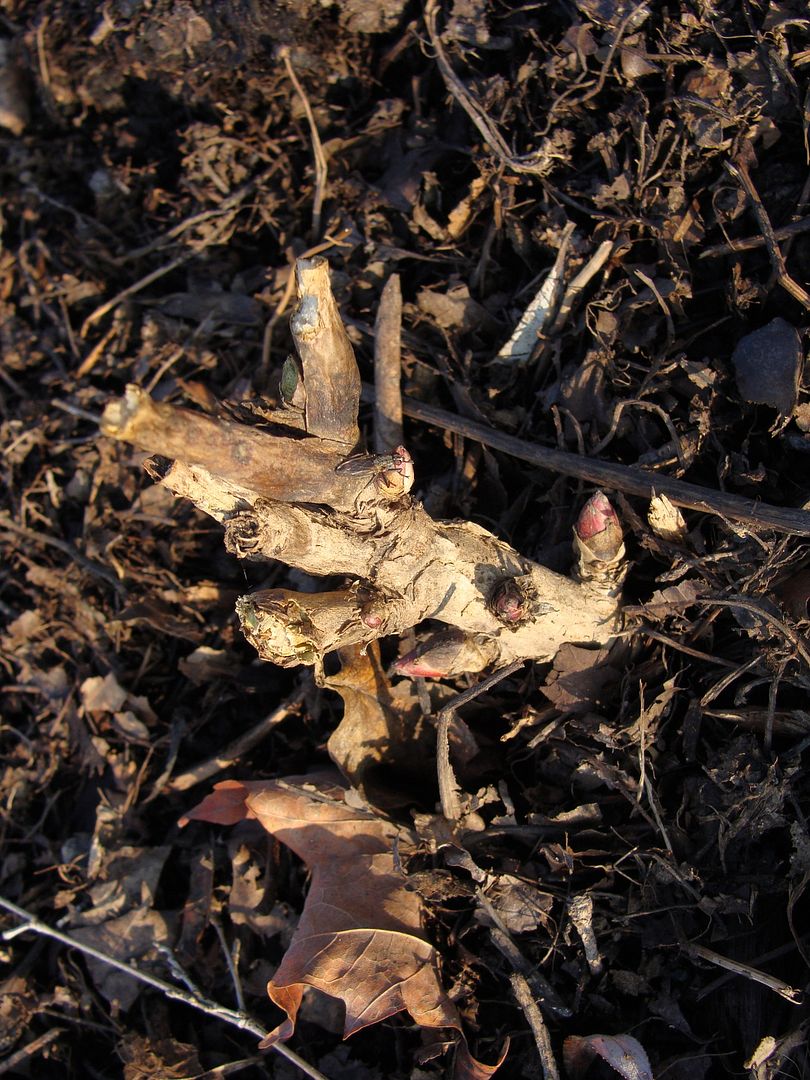
This year some of my tree peonies, mainly the ones that sprouted last year are waking up very early, even earlier than they did last year so I hope they know what they are doing. I do have a few set to sprout this year which are coming up early however those are not nearly as developed as these.
These are mainly Chinese tree peony seedlings.
Saturday, December 8, 2012
December peony buds, and buds for other plants 2012
With November and early December, temperatures will often fall withing the ideal vernalization zone of 40F to 45F which causes many plants to develop their buds in preparation for spring. For my climate, vernalization usually occurs once in the late fall, and then again by early spring as the plants produce the growth hormones needed for flowering, and overall vigor for the following year.
Here are some pictures of the tree & itoh peonies. The buds for the herbaceous peonies still haven't popped out of the soil yet so I didn't take pictures of those. They don't look like much now, but some of these may have enough energy stored from this year to produce flowers next year. They usually start swelling more by the beginning of March when daylight gets noticeably longer and temperatures start to rise.
Here are just a few of my tree/ itoh peony buds. It would be a very long post if I posted pictures of every one of them.
Here are some pictures of the tree & itoh peonies. The buds for the herbaceous peonies still haven't popped out of the soil yet so I didn't take pictures of those. They don't look like much now, but some of these may have enough energy stored from this year to produce flowers next year. They usually start swelling more by the beginning of March when daylight gets noticeably longer and temperatures start to rise.
Here are just a few of my tree/ itoh peony buds. It would be a very long post if I posted pictures of every one of them.
Labels:
bud set,
cutting back leaves peonies,
dormancy cycle,
dormant,
fall preparation,
flowering,
fungus control,
growth,
ornamental plants,
red,
sprouting,
swelling,
trees,
vernalization,
woody stems
Monday, December 3, 2012
Growing Ensete Ventricosum Maurelii by the window
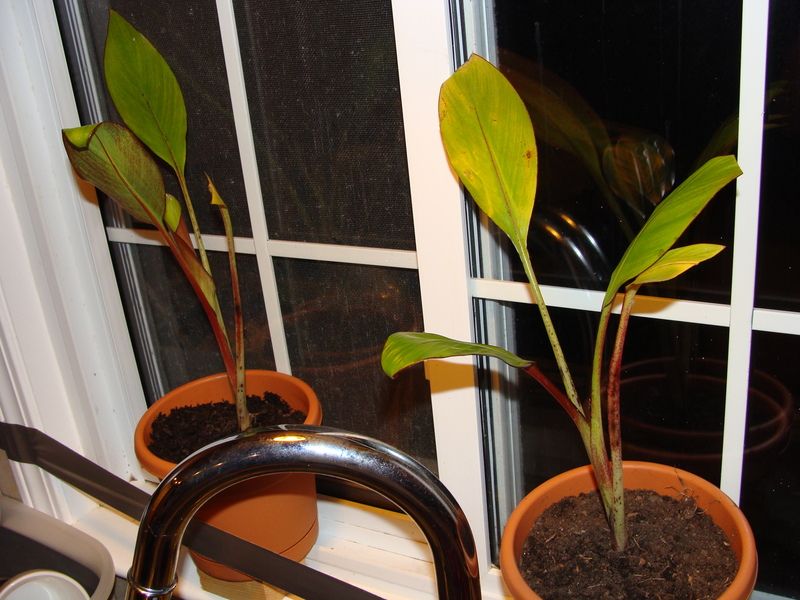
I decided to get a jump start on my Ensete Maurelii so that I can have bigger plants to bring outside by the spring time. I purchased these guys 3 weeks ago, and they have since put out a couple of leaves. The only thing I hope for is that their pseudo-stems stay healthy and strong, and giving them light from a south facing window will hopefully be enough.
There are 3 plants total.
November 13th 2012: They looked kind of skinny when they came out of the box.
There are 3 plants total.
November 13th 2012: They looked kind of skinny when they came out of the box.
Labels:
banana,
corm,
ensete ventricosum,
etoliation,
foliage,
growing,
growth,
hardening off,
house plant,
overwintering,
pots,
progress,
red color,
stems,
sunlight,
tropical plants,
window light
Sunday, November 4, 2012
Pictures of my garlic in the fall of 2012
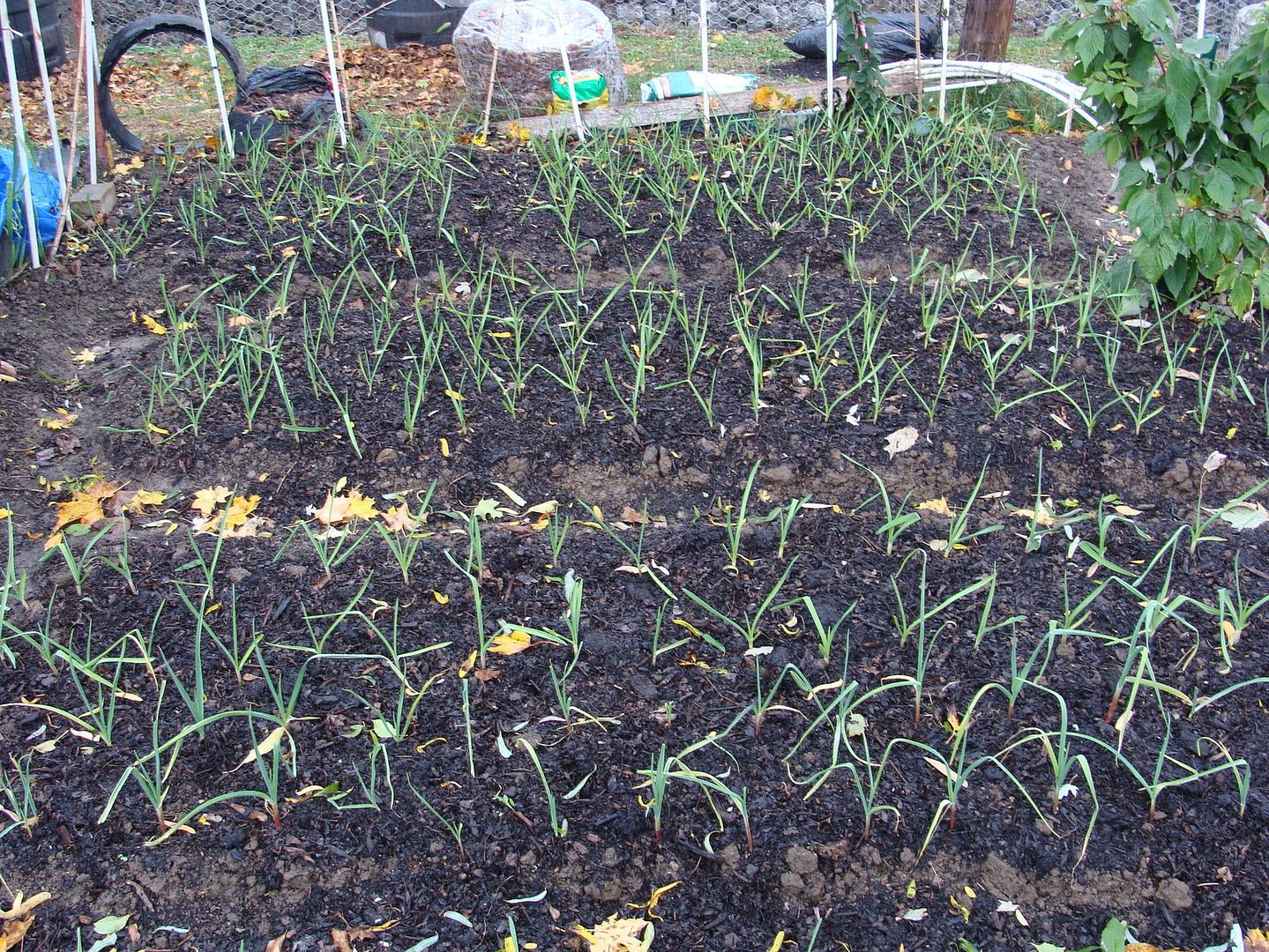
Garlic tends to grow a little bit in the fall. The foliage is usually hardy enough to make it through our zone 6a winters without much damage, and they come back much stronger by March. I grow around 2000 cloves each year not including the bulbils that take 1.5 years to reach full size.
Here are some of my garlic beds
Labels:
agriculture,
alliums,
bulbs,
easy to grow,
fall planting,
foliage,
food,
garlic garden,
green,
growth,
hardneck,
ideas,
leaf mold,
organic gardening,
raised beds,
softneck,
spacing rows,
spices,
sprouting,
winter crop
Sunday, September 23, 2012
Growing angled luffa (loofah) gourds from seed
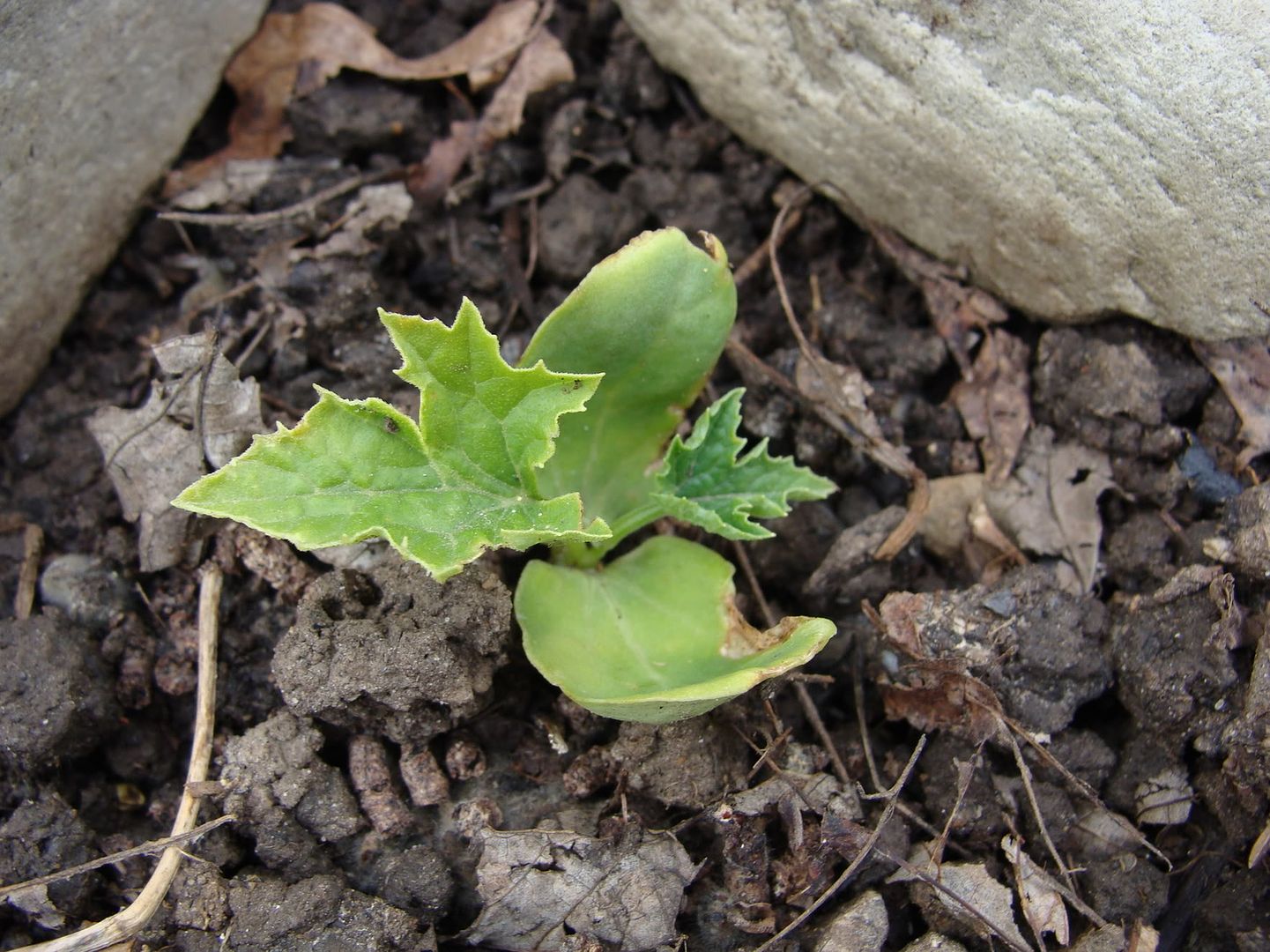
By around late May of this spring, I planted a few luffa (chinese okra) seeds in the ground, and eventually only 2 of them survived until maturity, but here's a complete picture documentation of the 4 months of progress since they were planted. I may have been able to get harvests faster if I started them indoors under a strong metal halide, but that's OK because I'm still able to get over 100 fruits per plant. The key to getting heavy yields is tons of water, lots of space for crawling, and good fertilizer. I fertilizer with manure, compost, and azomite. These plants produce lots of vines and take up a lot of space.
9 June 2012: Just barely coming out
Labels:
asian gardening,
chinese okra,
creeping,
flowers,
growth,
hanging gourds,
leaves,
loofah,
luffa,
production,
progress,
stems,
stir fry,
summer garden,
time lapse,
trellis,
vegetables,
vines
Saturday, June 23, 2012
Bamboos leafing out 2012
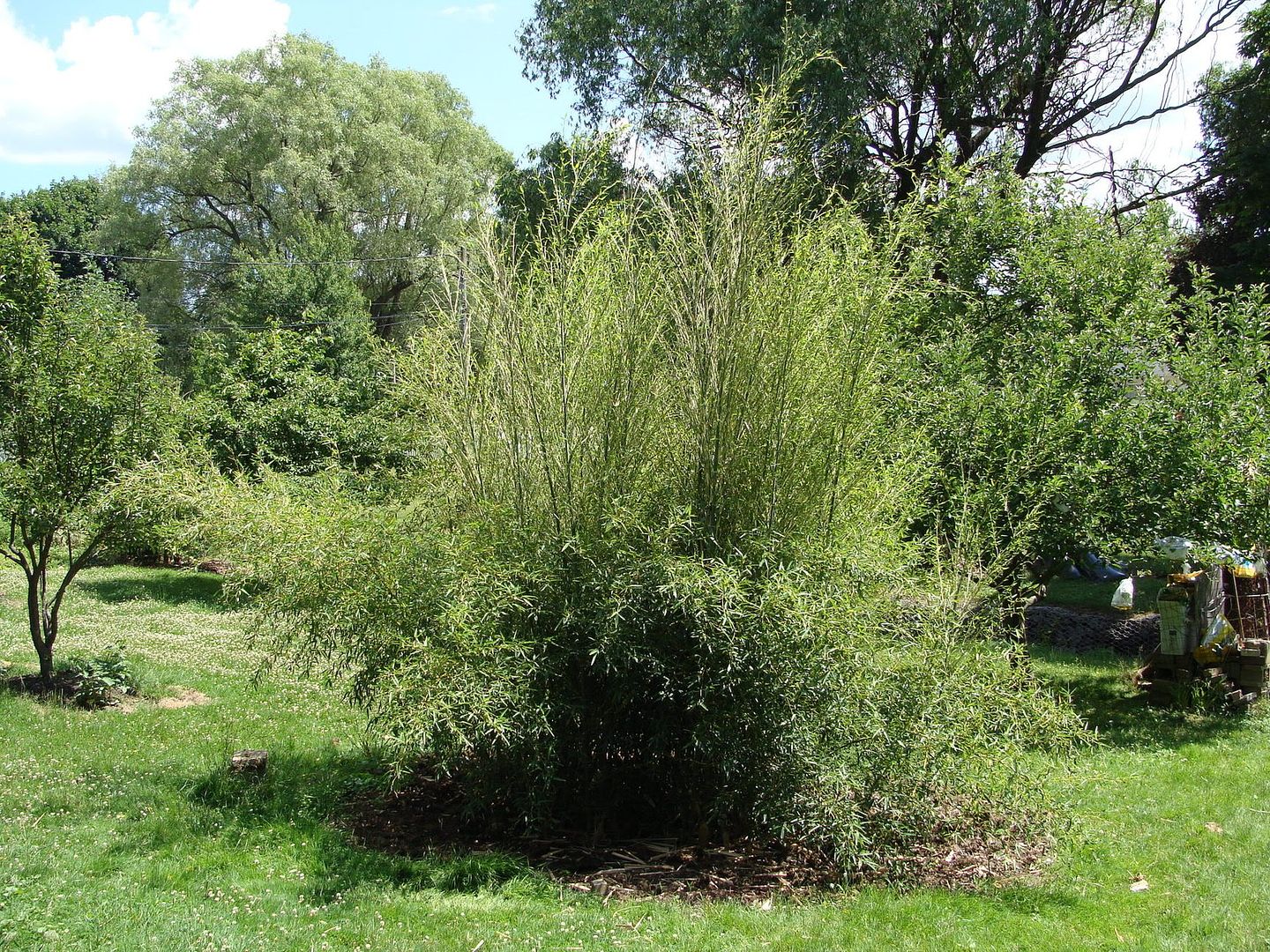
With the earlier spring and warm weather this year, bamboos are leafing out much sooner than they usually do, and they are starting to look impressive. The biggest ones are going onto their 4th season and some of them have culms exceeding 1 inch, reaching heights of up to 15ft.
Phyllostachys parvifolia: This one is putting out a lot of 1 inchers this year with the tallest ones getting up to 14ft while the average diameter of the entire grove is an amazing 7ft even though over 100 divisions have been taken from it.
Thursday, June 7, 2012
My experience with growing blueberry plants after 3 years
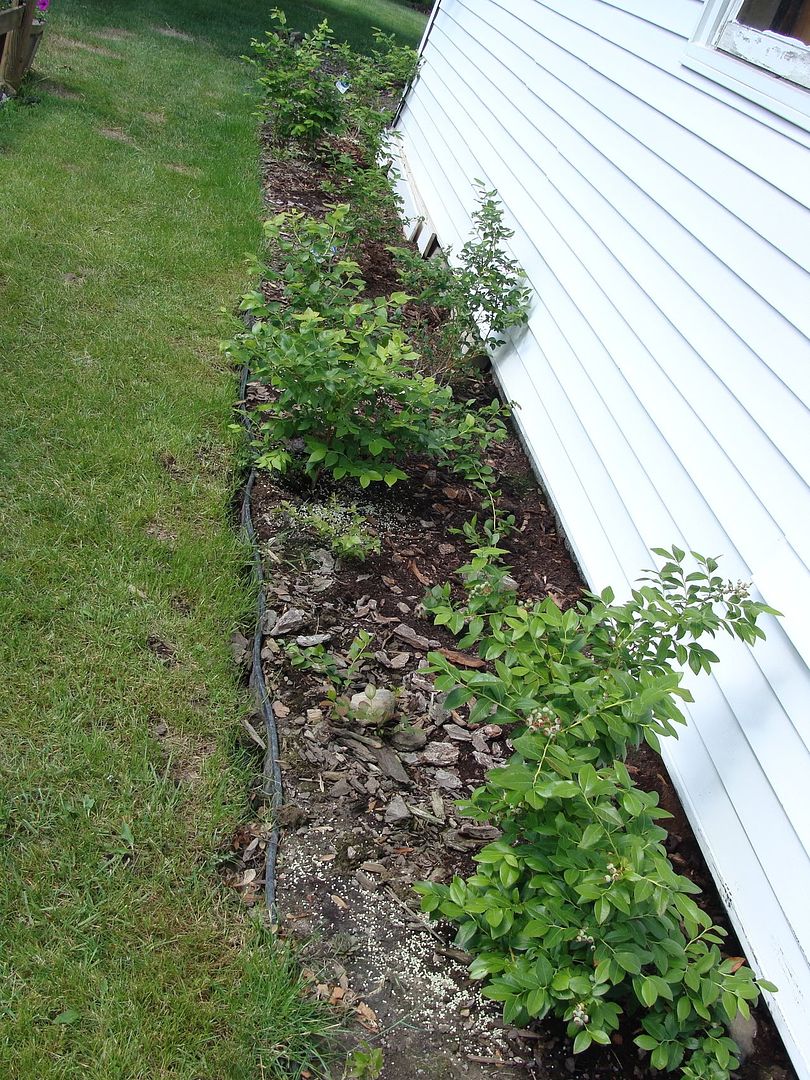
I started growing blueberry plants back in 2009, and they finally started producing last year, and I'm finally starting out to figure out how to get good production on these plants. Here's the old blog on them. http://stevespeonygarden.blogspot.com/2011/04/over-view-of-blueberries.html
Here's a view from the distance on how all the plants are doing. I mixed in a lot of peat moss & pine mulch into the bed to acidify the soil so the roots can reach into the soil.
Subscribe to:
Posts (Atom)