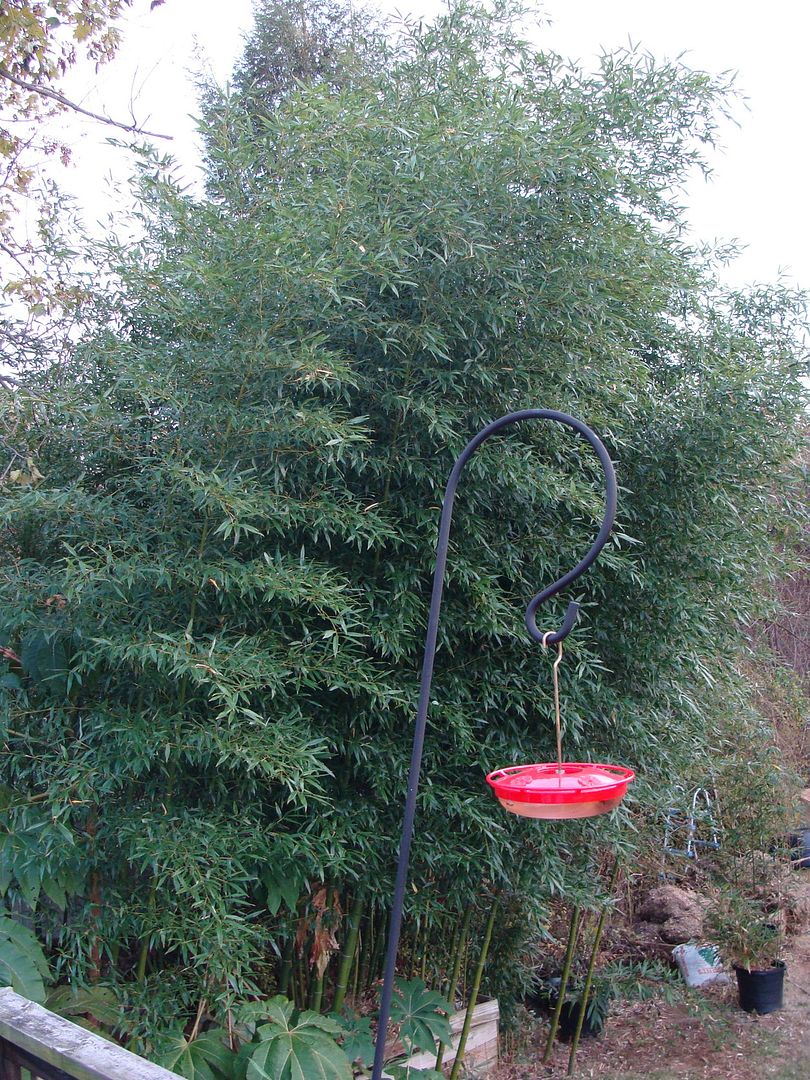
Phyllostachys Shanghai III: This one behaves and looks just like Dulcis, except it may be a bit more vigorous with straighter culms.
Search This Blog
Monday, November 12, 2012
Getting new bamboos on my road trip
last weekend, I happened to be in the area of a fellow bamboo collector so I got a few bamboos from him. I acquired phyllostachys Shanghai III, phyllostachys prominens, phyllostachys huangwenzhu inversa, and another cultivator of phyllostachys parvifolia. It was already getting dark by the time I got there so the pictures may be a bit blurry. Here are the groves.
Phyllostachys Shanghai III: This one behaves and looks just like Dulcis, except it may be a bit more vigorous with straighter culms.
Labels:
acquisitions,
bambous,
chaumes,
culms,
dessication,
field dig,
greenhouse,
large northern cold hardy timber plants,
overwinter,
potting,
rare bamboo,
root bound pot,
soil mix,
tarp bed,
transporting plants
Sunday, November 4, 2012
Pictures of my garlic in the fall of 2012
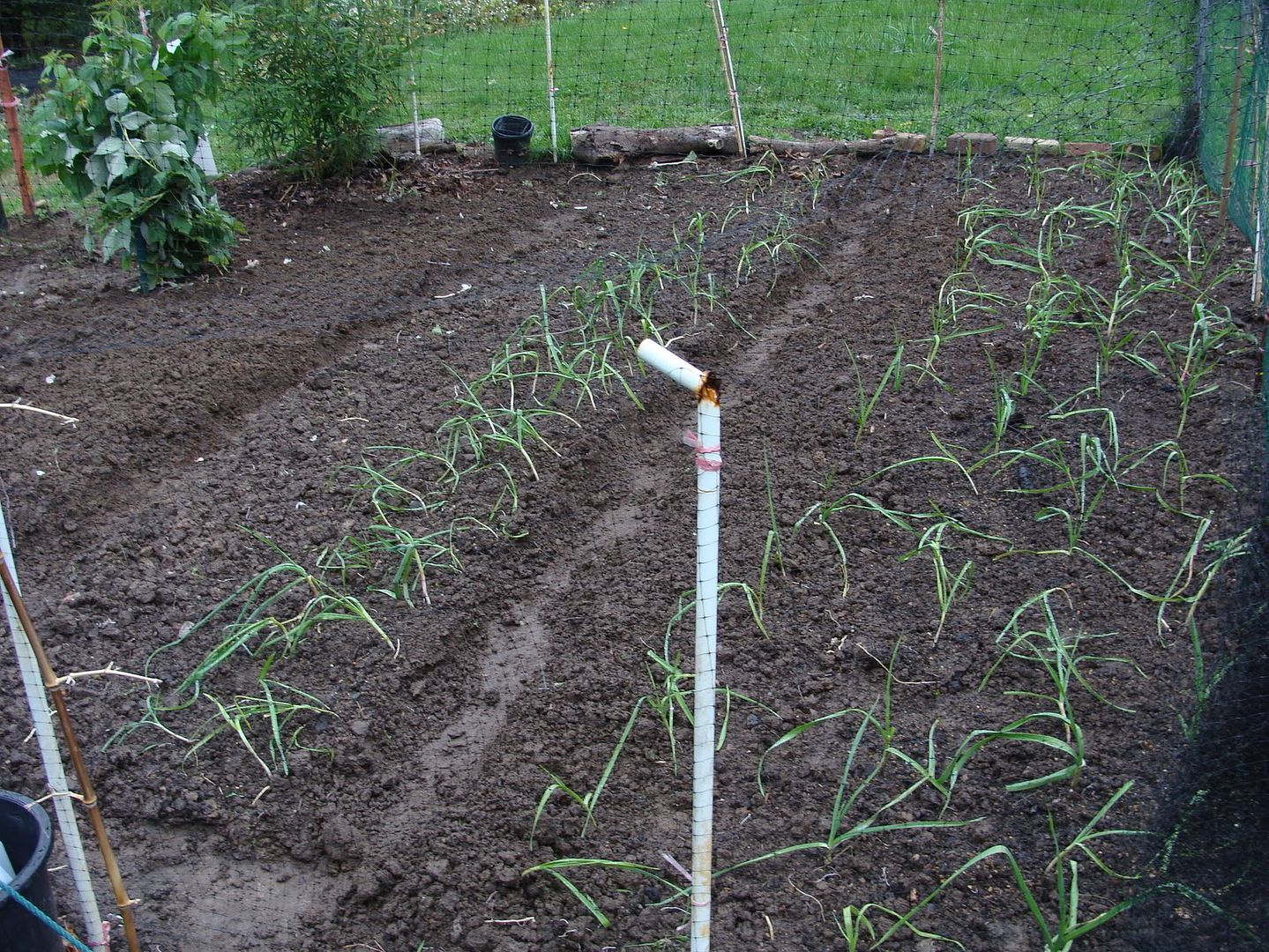
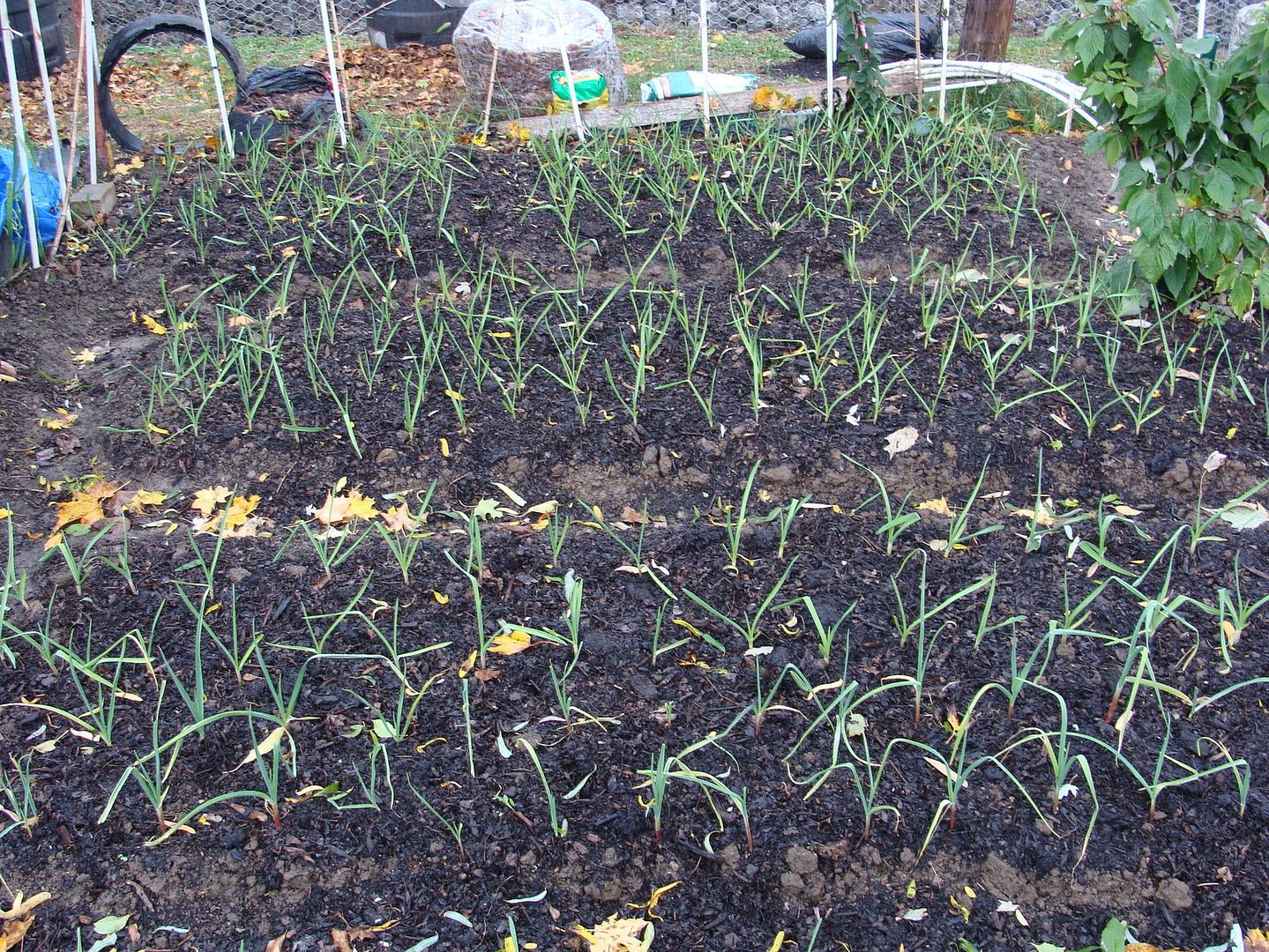
Garlic tends to grow a little bit in the fall. The foliage is usually hardy enough to make it through our zone 6a winters without much damage, and they come back much stronger by March. I grow around 2000 cloves each year not including the bulbils that take 1.5 years to reach full size.
Here are some of my garlic beds
Labels:
agriculture,
alliums,
bulbs,
easy to grow,
fall planting,
foliage,
food,
garlic garden,
green,
growth,
hardneck,
ideas,
leaf mold,
organic gardening,
raised beds,
softneck,
spacing rows,
spices,
sprouting,
winter crop
Friday, November 2, 2012
Overwintering the bananas and other plants for winter of 2012/2013
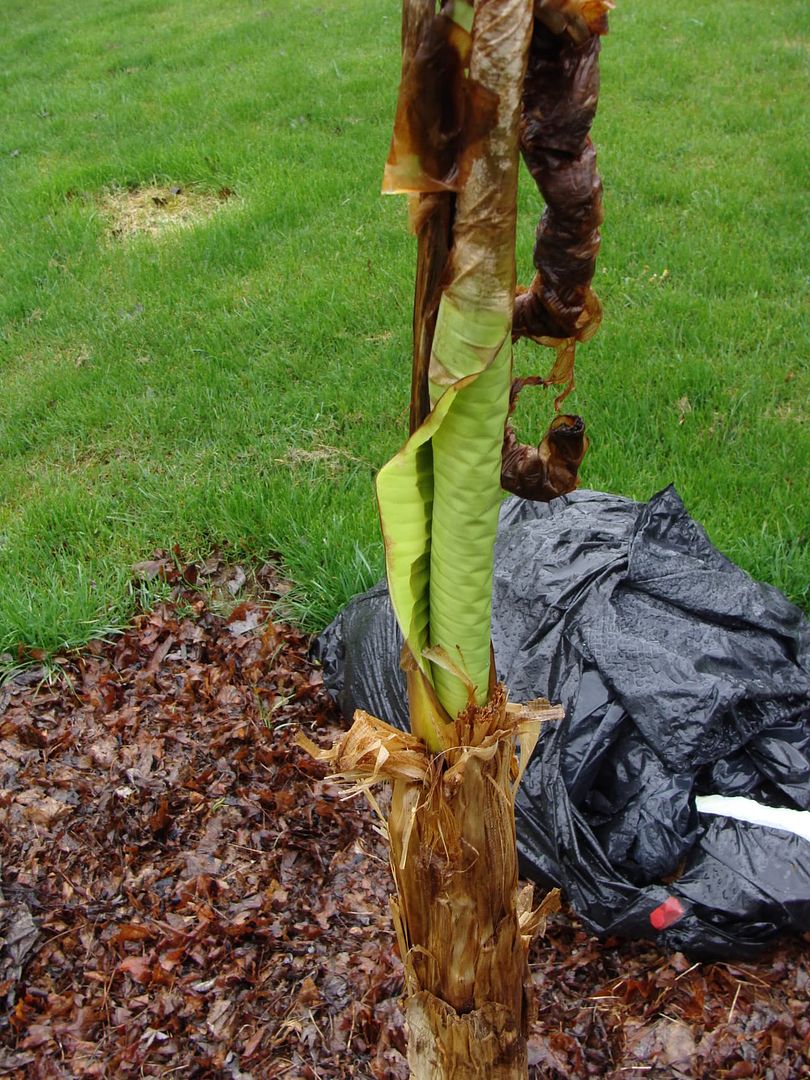
This year I'm overwintering all the bananas with barrels that have their bottom cut out. The steps are.
1. Cut off all the excess foliage which can't survive the winter anyways
2. Shrink wrap all the trunks
3. Add additional insulation if necessary
4. Stick a cut open plastic barrel over the entire banana stem
5. Fill the barrel with leaves
6. Add additional leaf bags with leaves if the stem is too long
7. Shrink wrap the entire set up to keep it stable
Here's the musa mekong giant which was much easier to over-winter since it is still very small.
1. Cut off all the excess foliage which can't survive the winter anyways
2. Shrink wrap all the trunks
3. Add additional insulation if necessary
4. Stick a cut open plastic barrel over the entire banana stem
5. Fill the barrel with leaves
6. Add additional leaf bags with leaves if the stem is too long
7. Shrink wrap the entire set up to keep it stable
Here's the musa mekong giant which was much easier to over-winter since it is still very small.
Thursday, October 11, 2012
Progress of the musa mekong giant "itinerans"
I tried purchasing musa mekong giant last year however they never made it through the winter when I tried planting them outside. The appeared to still be alive by the spring time however too much moisture in the spring must have killed them out so I ended up ordering a couple more of them from eBay this spring. Here's the links to when I tried them last fall.
http://stevespeonygarden.blogspot.com/2011/10/new-banana-plants-musa-mekong-giant.html
http://stevespeonygarden.blogspot.com/2011/10/fall-update-on-banana-plants-2.html
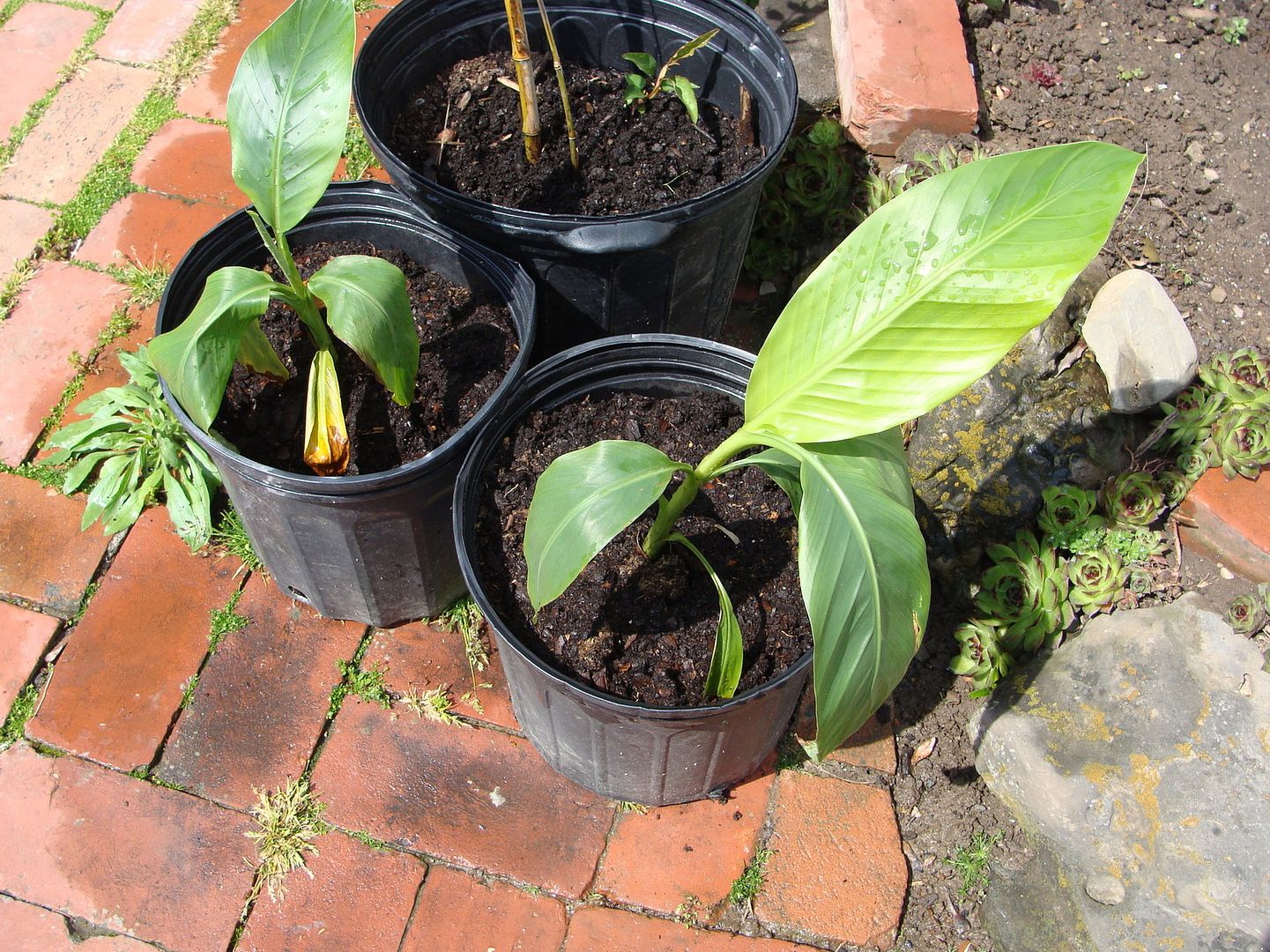
I bought them as tiny plants in 2 inch pots some time in April of this year to replace the ones I lost last fall.
3 May 2012
Plant 1 on the right, and plant 2 on the left.
http://stevespeonygarden.blogspot.com/2011/10/new-banana-plants-musa-mekong-giant.html
http://stevespeonygarden.blogspot.com/2011/10/fall-update-on-banana-plants-2.html
I bought them as tiny plants in 2 inch pots some time in April of this year to replace the ones I lost last fall.
3 May 2012
Plant 1 on the right, and plant 2 on the left.
Labels:
botany,
cold hardy banana plant,
foliage,
greenery,
growth progress,
huge leaves,
musa itinerans,
nature,
new leaf,
over time,
overwintering,
planting,
rhizomes,
running banana,
time lapse,
tropical northern climate
Thursday, October 4, 2012
Growth of the Musa basjoo throughout 2012
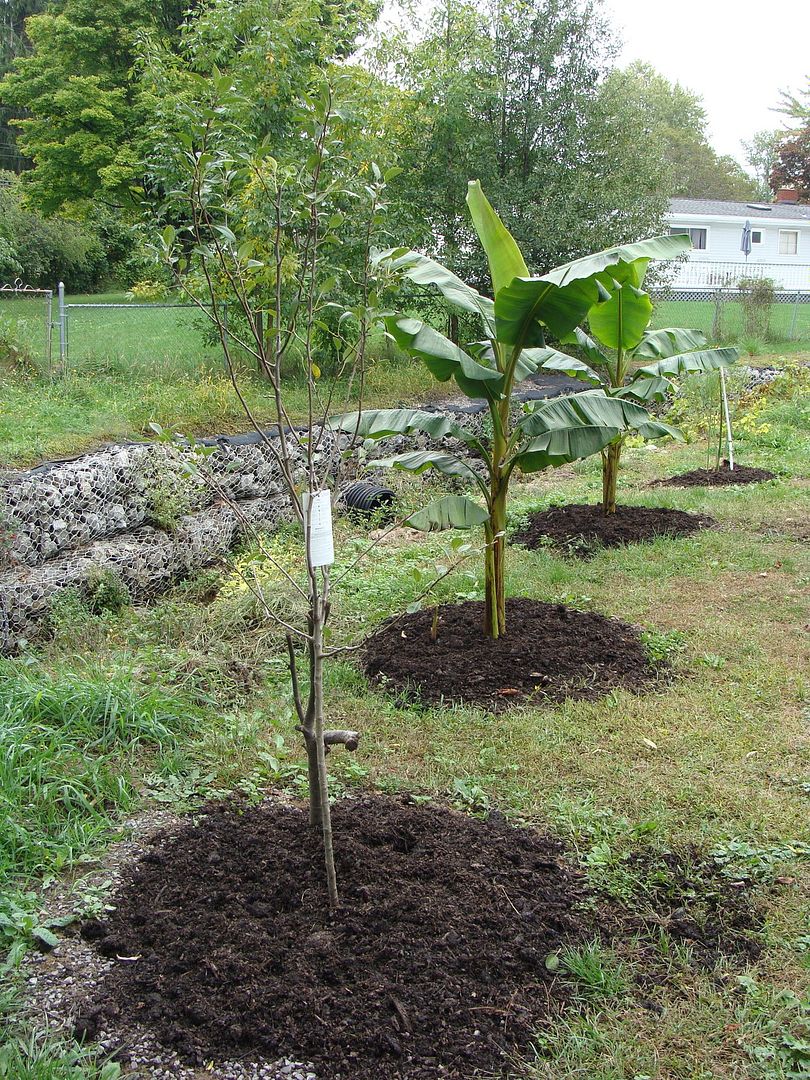
My musa basjoos were successfully over-wintered to about 2ft last year, and they ended up close to 14ft at the peak, but frost is imminent within the next few weeks so they will be going dormant pretty soon. Here's the documentation of the growth all throughout the year.
21 April 2012: I successfully protected them up to around 2ft, and they are already getting up to 4ft within a week.
Left plant
21 April 2012: I successfully protected them up to around 2ft, and they are already getting up to 4ft within a week.
Left plant
Blueberry shooting season
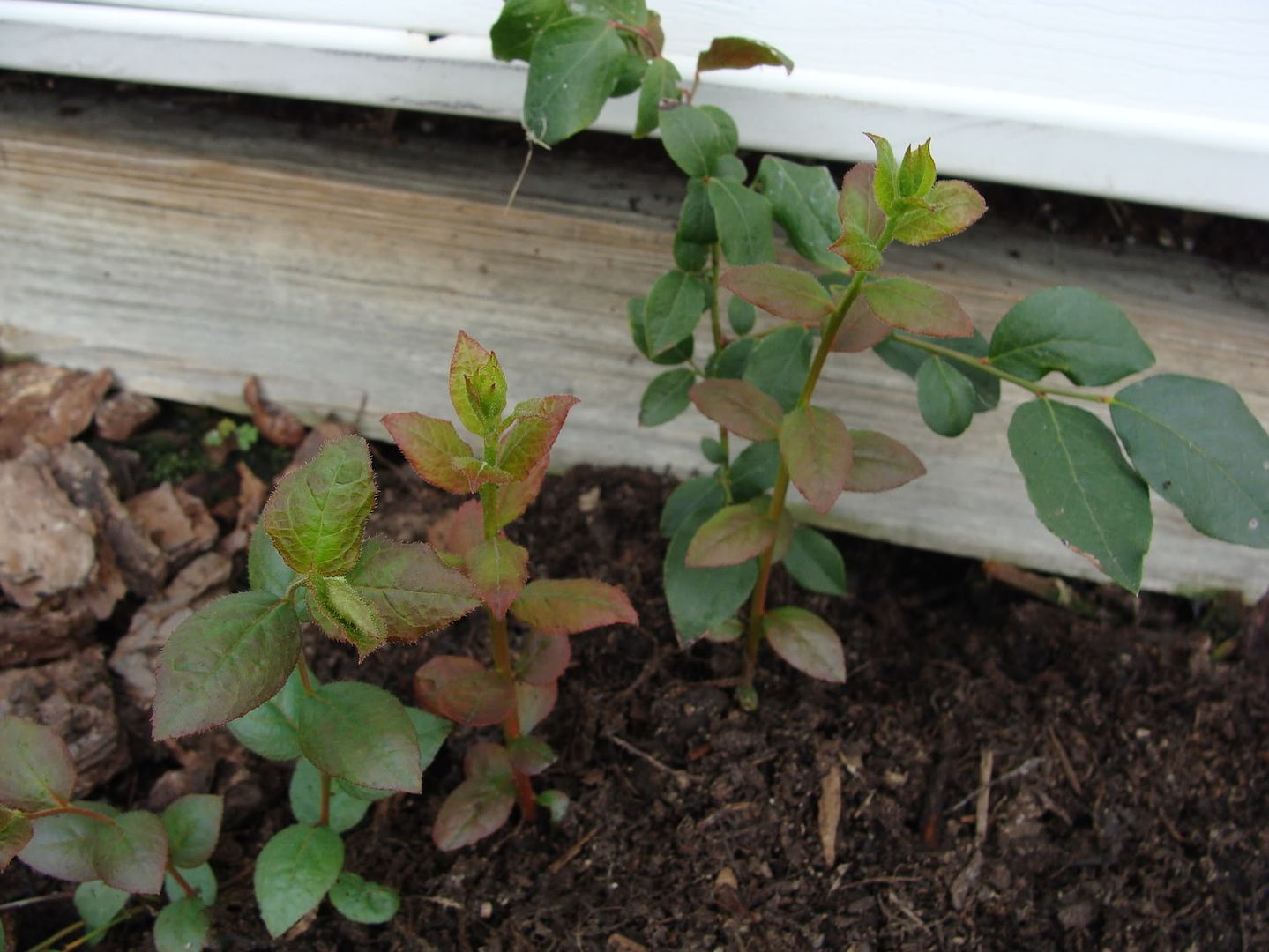
Blueberry plants are shrubs which mean they will sprout new shoots from their base. These new shoots can eventually be divided off to become new divisions, or left to grow. This ensures the survival of the plant. Shooting typically starts in the late summer, and continues until it is no longer warm enough to grow.
Here are a few pictures showing how this looks.
Sunday, September 30, 2012
Some of my garlic emerging in the fall
It is around the time to plant garlic so I ended up putting them in rows, about 10 inches apart, while their individual distance is usually about 6 inches just to ensure they get nice and big. I tilled up the soil, and made separate beds so the cloves can dig their roots into the ground further which will result in larger bulbs next summer since they can take in more nutrients.
Here's one of my beds for soft neck garlic with last year's bulbils, and new cloves that haven't emerged yet.
Labels:
allium,
bulbs,
dormancy,
easy to grow,
edible,
fall planting,
foliage,
gardening,
garlic,
healthy,
herbs,
large cloves,
medicinal plant,
new growth,
raised mounds beds,
sprouting,
vernalization
Subscribe to:
Posts (Atom)